
Website Design for Real Estate Agents: The Ultimate Guide
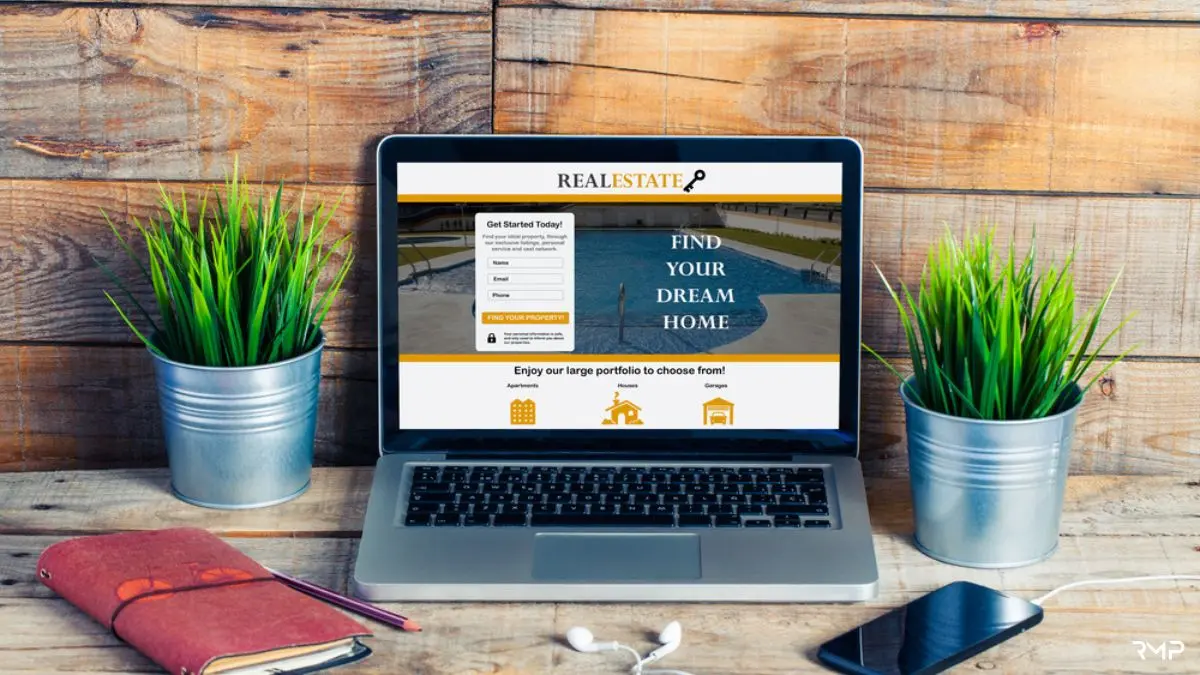
A professional website is essential for real estate agents to stand out in a competitive market. Website design for real estate agents drives lead generation, builds trust, and showcases expertise to potential buyers and sellers. Independent agents, small brokerages, and mid-market real estate teams need a user-friendly real estate site to convert visitors into clients.
This guide provides actionable steps to create or improve a website, whether using a real estate website builder or hiring a professional agency. Learn best practices, essential features like IDX integration, and strategies to boost leads with mobile-friendly real estate websites.
Why Real Estate Agents Need a Professional Website
A professional website is a cornerstone of success for real estate agents. It serves as a powerful tool to attract clients, showcase expertise, and generate leads. For independent agents, small brokerages, and mid-market real estate teams, a well-designed website establishes credibility and supports marketing efforts.
The Role of a Website in Real Estate Marketing
A website acts as a digital storefront for real estate professionals. It provides a platform to connect with potential buyers, sellers, and renters at any time. Unlike social media or print ads, a website offers a centralized hub for all marketing activities. Here are 4 key benefits of a professional website in real estate marketing:
Builds credibility: A polished website with local market insights, client testimonials, and professional branding instills trust. For example, 74% of consumers trust businesses with a professional website, according to a WebFX survey.
Generates leads 24/7: A website with integrated lead capture forms and IDX functionality allows visitors to search properties and submit inquiries, even outside business hours.
Showcases local expertise: Neighborhood guides, market reports, and blog posts about local trends position agents as knowledgeable leaders in their area.
Supports multi-channel marketing: A website links to social media profiles, email campaigns, and paid ads, creating a cohesive online presence.
For small brokerages, a website unifies team branding. For independent agents, it highlights personal expertise. Unlike temporary marketing efforts, a website delivers consistent results over time.
Essential Features of a Real Estate Website
A well-designed real estate website needs specific features to attract visitors and convert them into leads. For independent agents, small brokerages, and mid-market real estate teams, these features enhance user experience, improve SEO, and drive engagement.
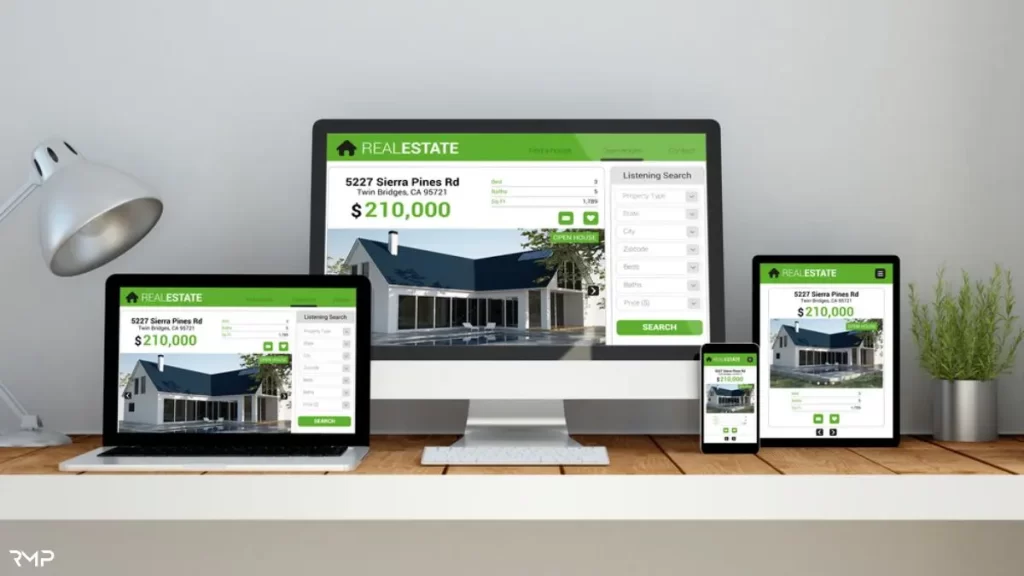
IDX Integration for Property Search Functionality
IDX integration allows real estate websites to display real-time property listings from Multiple Listing Services (MLS). This feature keeps visitors engaged by providing up-to-date home search capabilities.
Why IDX Matters
IDX integration is a must-have for any real estate website. It pulls live MLS data, ensuring listings are accurate and current. Without IDX, visitors must leave the site to search for properties elsewhere, increasing bounce rates. 95% of homebuyers use online tools to search for homes, making IDX critical for engagement.
Benefits of IDX Integration
- Real-time listings: Visitors access current properties with details like price, square footage, and photos.
- Advanced search filters: Users can narrow searches by location, price range, bedrooms, or amenities, improving their experience.
- Increased time on site: IDX keeps users browsing longer, boosting the chance of lead conversion.
- SEO boost: Dynamic listing pages improve search engine rankings for keywords like “homes for sale in [city].”
Mobile-Friendly and Responsive Design
Over half of real estate website traffic comes from mobile devices. A mobile-friendly real estate website ensures accessibility and a seamless user experience across smartphones, tablets, and desktops.
Importance of Mobile Optimization
Mobile optimization is non-negotiable. Google’s data shows 53% of users abandon sites that take over 3 seconds to load on mobile. Additionally, Google prioritizes mobile-friendly sites in search rankings, impacting visibility for keywords like “real estate website design.”
Best Practices for Responsive Design
- Fluid grids: Layouts adjust dynamically to different screen sizes.
- Flexible images: Images scale without distortion, maintaining quality.
- Touch-friendly navigation: Buttons and menus are easy to tap on small screens.
- Fast load times: Compress images and minimize code to improve speed.
User-Friendly Navigation and Homepage Layout
A user-friendly real estate site guides visitors effortlessly to key information. The homepage layout sets the tone, encouraging exploration and conversions.
Key Elements of a Homepage
An effective homepage balances visuals, functionality, and clear navigation. Essential components include:
- Hero section: A bold headline, high-quality image, and CTA like “Search Homes Now.”
- Featured listings: Showcase top properties with quick filters for easy browsing.
- Local insights: Highlight neighborhood guides or market trends to build authority.
- Contact information: Ensure easy access to phone, email, or a contact form.
Designing Intuitive Navigation
Clear navigation reduces frustration and keeps users on the site. Best practices include:
- Simple menu structure: Limit top-level menu items to 5–7 for clarity.
- Logical categories: Include pages like “Buy,” “Sell,” “Listings,” and “About.”
- Search functionality: Add a prominent search bar for quick access to properties.
- Breadcrumbs: Help users track their path on deeper pages, like specific listings.
Lead Capture Tools and CTAs
Effective lead capture tools turn website visitors into actionable leads. Strategic CTAs guide users toward forms, inquiries, or saved searches.
Types of Lead Capture Forms
Forms should be simple yet effective. Common types include:
- Home valuation forms: Attract sellers by offering free property estimates.
- Contact forms: Allow users to request more information or schedule showings.
- Saved search forms: Let users save criteria and receive listing alerts.
Strategic CTA Placement
CTAs drive conversions when placed thoughtfully:
- Above the fold: Place a prominent CTA, like “Find Your Dream Home,” at the top of the homepage.
- Exit-intent popups: Prompt users to engage before leaving the site.
- Listing pages: Add CTAs like “Schedule a Viewing” next to property details.
- Blog posts: Include CTAs linking to lead magnets, such as market reports.
CRM Integration
Integrating forms with CRM systems streamlines lead management. Popular options include:
- Follow Up Boss: Tracks leads and automates follow-ups.
- HubSpot: Offers free CRM with robust email integration.
- kvCORE: Combines IDX, CRM, and marketing tools for real estate.
Design Best Practices for Real Estate Websites
Effective website design for real estate agents enhances user experience, boosts SEO, and drives lead generation. Independent agents, small brokerages, and mid-market real estate teams benefit from a site that is visually appealing, fast, and optimized for search engines.

Visual Design and Branding
A strong visual design creates a lasting impression and reinforces an agent’s brand. Consistent branding builds trust and sets real estate professionals apart in a competitive market.
Importance of Consistent Branding
A cohesive brand identity makes a website memorable. Logos, color schemes, and typography should align across all pages to reflect the agent’s or brokerage’s personality. For example, Nielsen Norman Group found that 75% of users judge a business’s credibility based on its website’s design. Consistent branding also ensures visitors recognize the agent’s identity, whether they come from social media, ads, or search engines.
Using High-Quality Visuals
High-quality visuals engage visitors and showcase properties effectively. Professional photography, drone shots, and virtual tours highlight listings in a way that generic stock photos cannot. For instance, listings with professional images sell 50% faster, according to Redfin. Agents should invest in custom visuals of local properties or neighborhoods to create an authentic connection with their audience.
Color Psychology in Real Estate
Colors influence how visitors perceive a website. Blue conveys trust and professionalism, while green suggests growth and stability—both ideal for real estate. A balanced palette with 2–3 primary colors and neutral accents creates a clean, approachable look. Avoid overly bright or clashing colors, which can distract users or seem unprofessional.
Speed Optimization for Better UX and SEO
A fast website retains visitors and ranks higher on search engines. Speed is critical for user satisfaction and lead generation, especially for mobile users.
Impact of Site Speed
Slow websites frustrate users and hurt conversions. Google’s data shows that 53% of mobile users abandon sites taking over 3 seconds to load. Additionally, site speed is a key factor in Google’s Core Web Vitals, which influence search rankings for keywords like “real estate website builder.” A fast site keeps visitors engaged and supports SEO goals.
Techniques for Speed Optimization
Several strategies improve website speed. Image compression reduces file sizes without sacrificing quality, using tools like TinyPNG. Lazy loading delays off-screen images, speeding up initial page loads. Choosing a reliable hosting provider, such as WP Engine or SiteGround, ensures consistent performance; these hosts offer uptime above 99.9%. A Content Delivery Network (CDN) like Cloudflare delivers content faster by caching it on servers closer to users.
Tools to Measure and Improve Speed
Free tools help agents monitor and enhance performance. Google PageSpeed Insights provides a score and specific recommendations, such as minimizing JavaScript. GTmetrix analyzes load times and suggests optimizations like browser caching. Regular testing ensures a website remains fast as new content or features are added.
SEO Fundamentals for Real Estate Websites
Search engine optimization makes a website discoverable to potential clients searching for properties or agents. A well-optimized site ranks higher for relevant keywords and drives organic traffic.
On-Page SEO Essentials
On-page SEO involves optimizing content and structure. Meta titles and descriptions should include keywords like “website design for real estate agents” or “homes for sale in [city].” Headers (H1, H2, H3) organize content clearly, using terms like “property search functionality” naturally. Internal linking to listing pages or blog posts keeps users engaged and improves crawlability. A Ahrefs study found that pages with optimized meta tags rank 20% higher on average.
Local SEO for Real Estate
Local SEO targets clients in specific markets. A Google Business Profile with consistent Name, Address, and Phone (NAP) information boosts visibility in the Map Pack. Location pages for each service area, like “[City] Homes for Sale,” attract local searches. Client reviews on Google enhance trust and rankings; sites with 10+ reviews rank higher, per a BrightLocal report.
Technical SEO for Performance
Technical SEO ensures search engines can crawl and index a site effectively. Schema markup for listings, such as Property or RealEstateAgent schema, helps Google understand content, improving rich snippet visibility. An XML sitemap lists all pages for crawlers, while a robots.txt file guides them to priority content. Canonical tags prevent duplicate content issues, especially for similar listing pages.
Content SEO Strategies
Blogging drives traffic through relevant content. Posts about “Top 10 Neighborhoods in [City]” or “Home Buying Tips” target buyer intent and incorporate LSI keywords like “custom real estate websites.” Regular updates keep content fresh, signaling relevance to search engines. FAQ sections with schema markup can also secure featured snippets, increasing click-through rates by 30%, according to SEMrush data.
Tools and Platforms for Building Real Estate Websites
Choosing the right tools and platforms is critical for real estate agents to create a professional, lead-generating website. Independent agents, small brokerages, and mid-market teams need solutions that balance ease of use, customization, and real estate-specific features like IDX integration.

Real Estate Website Builders
Website builders simplify the process of creating a professional website without coding skills. They offer templates, drag-and-drop editors, and integrations tailored for real estate professionals.
Overview of Popular Platforms
Several platforms cater to real estate agents, each with unique strengths. Wix provides a versatile, beginner-friendly option with over 30 real estate templates, IDX integration via third-party apps, and SEO tools. A Website Builder Expert review ranks Wix as the top choice for its customizable designs and lead capture features like contact forms and virtual tour integration.
Squarespace offers elegant, mobile-responsive templates ideal for agents prioritizing aesthetics, though it requires third-party IDX plugins. WordPress, paired with real estate themes like AgentPress or WP Residence, provides unmatched flexibility for blogs and MLS integration but has a steeper learning curve. Placester stands out for its real estate focus, offering built-in IDX, CRM integration, and a Do It For Me (DIFM) service, with plans starting at $79 per month.
Pros and Cons of Each Platform
Wix is user-friendly and affordable, with plans starting at $17 per month, but its IDX integration relies on external apps, which may add costs. Squarespace excels in design but lacks native IDX, requiring workarounds like code blocks for MLS feeds. WordPress offers extensive customization through plugins like iHomefinder, but it demands more technical knowledge for setup and maintenance.
Placester is tailored for real estate, with seamless MLS integration and lead capture tools, but its template library is smaller than Wix’s. A 2025 HousingWire review notes that Placester’s DIFM service saves time for busy agents, while WordPress suits those comfortable with hands-on management.
Recommended WordPress Themes
For agents choosing WordPress, specific themes enhance functionality. AgentPress, developed by StudioPress, includes built-in listing management and IDX support, ideal for small brokerages. WP Residence offers customizable property search pages and integrates with CRMs like Follow Up Boss.
Real Homes provides advanced search filters and virtual tour embedding, making it suitable for showcasing listings. These themes, paired with plugins like Yoast SEO, help optimize for keywords like “real estate website builder.” Costs range from $59–$129 for premium themes, with free options available for budget-conscious agents.
Hiring a Professional Agency vs. DIY
Deciding between hiring an agency or building a website yourself depends on budget, time, and desired functionality. Both approaches have distinct advantages for real estate professionals.
When to Hire a Real Estate Website Design Agency
A professional agency is ideal for agents needing complex features or lacking time for DIY. Agencies deliver custom real estate websites with advanced IDX integration, tailored branding, and optimized SEO. They handle technical setup, such as hosting and domain configuration, saving agents hours. For example, Luxury Presence specializes in high-end designs for boutique brokerages, with costs starting at $6,000.
The Follow Up Boss review highlights that agencies like AgentFire can build hyperlocal sites in 48 hours, integrating with CRMs like Follow Up Boss for seamless lead management. Hire an agency if you need unique features like multi-MLS feeds or prioritize a premium look.
Questions to Ask Agencies
Before hiring, evaluate agencies to ensure they meet your needs. Ask about their experience with real estate websites—request portfolios showcasing IDX integration and mobile-friendly designs. Inquire about SEO expertise, such as optimizing for “website design for real estate agents.” Confirm their familiarity with MLS providers like iHomefinder or IDX Broker.
Ask about ongoing maintenance costs, as some agencies charge $200–$500 monthly for updates. Verify timelines; most agencies deliver in 2–8 weeks. The Forbes Advisor review emphasizes checking for 24/7 support to address technical issues promptly.
Budget Considerations
Custom websites cost $2,000–$10,000, depending on features and agency expertise. For example, Agent Image offers award-winning designs for $3,000–$7,000, ideal for mid-market teams. DIY platforms like Wix or Weblium cost $100–$500 annually, including hosting and domain fees. Placester’s DIFM service ranges from $500–$2,000 for setup, with monthly plans at $79–$129.
According to NAR report, 68% of agents prefer DIY for budgets under $1,000, while custom solutions suit teams aiming to scale. Compare costs against time savings and lead generation potential when deciding.
Tips for DIY Success
DIY website building is accessible with the right approach. Start with a real estate-specific template from Wix, Squarespace, or Weblium to ensure mobile responsiveness and lead capture features. Use Canva to create branded visuals like logos or banners, keeping costs under $50/year. Install free plugins like Yoast SEO for WordPress or Wix SEO Wiz to optimize for keywords like “property search functionality.”
Test IDX integration with providers like Real Geeks, which offers plans starting at $299/month, including CRM tools. Regularly update content to maintain freshness, as Google favors sites with recent activity. Weblium review praises its drag-and-drop editor for enabling agents to launch sites in under 4 hours.
Strategies to Boost Lead Generation Through Website Design
A real estate website’s primary goal is to convert visitors into leads. For independent agents, small brokerages, and mid-market teams, strategic design choices enhance lead generation by guiding users toward action.
Creating High-Converting Landing Pages
Landing pages are purpose-built to capture leads. They focus visitors on specific actions, such as requesting a home valuation or scheduling a showing.
Anatomy of a Lead Gen Landing Page
A high-converting landing page combines clear design and persuasive elements. The headline should grab attention, like “Find Your [City] Dream Home Today.” Benefits, such as “Free Home Valuation in 24 Hours,” clarify the value of acting. A concise form with 3–5 fields, like name, email, and phone, reduces friction. Testimonials or trust signals, such as “Trusted by 500+ Homebuyers,” build credibility.
According to Unbounce, landing pages with clear CTAs increase conversions by 32%. For example, a home valuation page targeting sellers can generate 10–20 leads monthly for active agents.
Examples of Effective Landing Pages
Real estate landing pages perform best when tailored to user intent. Home valuation pages attract sellers by offering instant estimates based on local data. Buyer guides, like “Top 10 Tips for First-Time Homebuyers in [City],” engage new buyers with downloadable resources. Neighborhood-specific pages, such as “Explore [Neighborhood] Homes for Sale,” target local searches and incorporate keywords like “property search functionality.”
These pages should feature high-quality visuals, such as drone shots of local properties, to enhance appeal. According to Landingi, pages with video content convert 80% better than text-only pages.
Conversion Optimization Tips
Optimizing landing pages requires testing and refinement. A/B test CTAs, such as “Get Your Free Valuation” versus “Find Your Home’s Value,” to identify higher performers. Heatmaps from tools like Hotjar reveal where users click or scroll, guiding layout improvements. Trust signals, like client reviews or MLS logos, reassure visitors.
Ensure mobile responsiveness, as 50% of real estate searches occur on mobile. Place CTAs above the fold and use contrasting colors to draw attention. These tweaks can boost conversion rates by 15–25%, according to HubSpot analysis.
Content That Drives Engagement
Engaging content keeps visitors on the site longer and encourages lead submissions. Relevant, value-driven content builds trust and positions agents as local experts.
Blog Topics for Real Estate
Blogs attract organic traffic and target buyer or seller intent. Posts like “Top 10 Neighborhoods in [City]” or “5 Steps to Buying Your First Home” address specific needs while incorporating LSI keywords like “custom real estate websites.” Evergreen content, such as “How to Prepare Your Home for Sale,” remains relevant over time, driving consistent traffic.
Trending topics, like “2025 [City] Housing Market Predictions,” capitalize on current interest. SEMrush study found that blogs over 1,500 words rank 20% higher for competitive keywords. Regular posting, ideally 2–4 times monthly, signals freshness to search engines.
Video Content for Engagement
Videos enhance user engagement and showcase properties dynamically. Virtual tours allow buyers to explore homes remotely, increasing time on site by 30%, per Redfin. Client testimonials build trust, showing real success stories from past buyers or sellers. Market update videos, like “What’s Happening in [City] Real Estate,” position agents as knowledgeable.
Embed videos on landing pages or blogs to boost conversions. Ensure videos are optimized for SEO with descriptive titles, tags, and transcripts to rank for terms like “real estate website homepage layout.”
Lead Magnets to Capture Interest
Lead magnets incentivize form submissions. Offer free resources like eBooks (“Ultimate Guide to Selling Your Home”), checklists (“Open House Preparation Checklist”), or market reports (“[City] Real Estate Trends 2025”). These assets appeal to specific audiences, such as first-time buyers or investors. Promote lead magnets via popups or sidebar widgets, linking to a form. According to OptinMonster, lead magnets increase email signups by 40%. Ensure resources are branded and downloadable in PDF format for professionalism.
Read this post to learn the Lead Generation for Real Estate Agents
Common Mistakes to Avoid in Real Estate Website Design
A poorly designed website can drive potential clients away and harm lead generation for real estate agents. Independent agents, small brokerages, and mid-market teams must avoid common pitfalls to ensure their site is user-friendly and effective.

Overloading the Site with Too Many Features
Adding excessive features creates a cluttered website that confuses users. Simplicity is key for a user-friendly real estate site.
Why Clutter Hurts User Experience
A website packed with widgets, popups, or complex menus overwhelms visitors. According to Baymard Institute, 68% of users abandon sites with cluttered navigation. For example, including multiple sliders, chatbots, and social feeds on the homepage distracts from core actions like property searches. This reduces time on site and lowers conversions for CTAs like “Search Homes Now.” Agents should prioritize essential features, such as IDX integration and clear CTAs, to streamline the user journey.
How to Simplify Design
Focus on 3–5 key features, like property search functionality, contact forms, and neighborhood guides. Use a clean layout with ample white space to enhance readability. Limit menu items to essential pages, such as “Buy,” “Sell,” and “About.” Test the site with tools like Hotjar to identify areas where users drop off. Simplifying design improves engagement and supports SEO for terms like “custom real estate websites.”
Ignoring Mobile Users or Neglecting Responsive Design
Mobile optimization is critical, as most real estate searches occur on smartphones. Neglecting this aspect alienates a large audience.
Impact of Poor Mobile Design
Over 50% of real estate website traffic comes from mobile devices. Sites that fail to adapt to smaller screens frustrate users, leading to high bounce rates. Google’s mobile speed data shows 53% of mobile users leave if a site takes over 3 seconds to load. Non-responsive designs also rank lower for keywords like “mobile-friendly real estate websites,” reducing visibility. A poor mobile experience directly impacts lead generation.
Solutions for Mobile Optimization
Use responsive templates from platforms like Wix or WordPress, ensuring layouts adjust to any screen size. Optimize images with compression tools like TinyPNG to reduce load times. Test with Google’s Mobile-Friendly Test to confirm touch-friendly navigation and fast performance. Prioritize simple forms and large buttons for mobile users. These steps ensure accessibility and improve user satisfaction across devices.
Skipping SEO Basics
Neglecting SEO fundamentals limits a website’s discoverability. Without optimization, agents miss opportunities to attract organic traffic.
Consequences of Poor SEO
SEO drives visibility for terms like “website design for real estate agents.” Without meta titles, descriptions, or local citations, sites struggle to rank on Google. According to Ahrefs study, pages lacking optimized headers rank 20% lower on average. Ignoring local SEO, such as Google Business Profile setup, reduces Map Pack visibility. This makes it harder for potential clients to find agents when searching “homes for sale in [city].”
Essential SEO Practices
Optimize meta tags with keywords like “real estate website templates.” Create location pages for each service area, incorporating local terms. Use schema markup for listings to enhance rich snippets. Build local citations on directories like Yelp to boost authority. Regularly audit the site with tools like SEMrush to identify and fix issues, ensuring consistent ranking improvements.
Using Generic Stock Photos
Generic stock photos undermine authenticity and fail to connect with local audiences. Unique visuals build trust and engagement.
Why Authentic Imagery Matters
Stock photos of unrelated properties or generic cityscapes feel impersonal. Listings with professional, local photos sell 50% faster. Visitors expect images of actual neighborhoods or properties in the agent’s market. Generic visuals also hurt SEO, as they lack relevance for local searches like “property search functionality in [city].” Authentic imagery reinforces the agent’s expertise and brand.
Sourcing Local Visuals
Invest in professional photography or drone shots of local properties, costing $200–$500 per session. Use free stock libraries like Unsplash for secondary images, ensuring they align with the local market. Create virtual tours or embed Instagram posts showcasing recent sales. These visuals enhance user engagement and make the site feel tailored to the audience, driving more leads.
Failing to Update Listings or Content
Outdated listings and content signal neglect, reducing trust and SEO performance. Fresh content keeps users and search engines engaged.
Risks of Stale Content
Expired listings frustrate buyers, with 70% of users distrusting sites with outdated information. Stale blog posts or market data also lower SEO rankings, as Google prioritizes fresh content. Failing to update pages like “[City] Market Trends” misses opportunities to rank for keywords like “real estate website homepage layout.” Regular updates maintain credibility and visibility.
Strategies for Keeping Content Fresh
Schedule monthly reviews to remove expired listings and refresh blog posts. Use IDX integration to ensure real-time listing updates. Publish new content, like “2025 Housing Market Updates,” every 2–4 weeks to signal activity. Tools like Yoast SEO can flag outdated pages for revision. Consistent updates improve user trust and boost organic traffic by 15%, according to Moz.
Conclusion
A well-designed website is vital for real estate agents to generate leads and build a professional brand. Independent agents, small brokerages, and mid-market teams can attract clients with a user-friendly real estate site featuring IDX integration, mobile-friendly design, and strategic CTAs. Start with a clear plan, prioritize essential features like property search functionality, and choose a reliable platform like Wix or WordPress.
For complex needs, consider hiring an agency to create a custom real estate website. Ongoing optimization through analytics and content updates ensures sustained success. Download a free real estate website checklist or start building today to boost your online presence.


