
Top Website Builders for Real Estate Agents in 2025

A professional website is essential for real estate agents to attract clients and grow their business. The best website builders for real estate agents provide tools to effectively showcase listings, capture leads, and establish credibility. With 93% of homebuyers starting their search online, a well-designed site can set you apart from competitors. Real estate website platforms with IDX integration, SEO tools, and mobile-friendly designs help agents connect with prospects effectively.
Today, we will explore top website builders, comparing features like MLS integration, ease of use, and lead generation capabilities. You’ll find a detailed roundup, a comparison table, and expert tips to choose the right platform for your real estate business. Whether you’re a solo agent or part of a brokerage, discover the best tools to create a customizable, SEO-friendly website that drives results. Read on to find the perfect real estate website builder for your needs.
Comparison Table of Top Real Estate Website Builders
Choosing the best website builders for real estate agents requires comparing features, pricing, and usability to find the best website design for realtors. The table below evaluates seven top platforms:
| Platform | Starting Price | IDX/MLS Integration | Ease of Use | SEO Tools | Lead Generation Features | Best For |
| WordPress | $0 (plus $5-$30/month hosting, $50-$150/month IDX) | Native via plugins (Showcase IDX, iHomefinder) | Moderate (technical setup needed) | Strong (Yoast, RankMath) | Lead forms, CRM integration (Follow Up Boss, HubSpot) | Agents needing customization, luxury markets |
| Placester | $79/month (NAR members) + $25/month IDX | Native, updates every 15 minutes | Easy (drag-and-drop) | Built-in SEO features | Built-in CRM, lead capture forms | New agents, quick setups |
| Real Geeks | $299/month | Native, advanced search filters | Easy (no coding needed) | Built-in SEO tools | CRM, email drips, Facebook ad integration | Agents/teams prioritizing lead generation |
| AgentFire | $149/month + $600 setup fee | Native (Showcase IDX, ClickMaps) | Moderate (WordPress-based) | Strong (local SEO focus) | Landing pages, AI content tools | Hyperlocal marketing, neighborhood focus |
| Wix | $17/month + ~$150/month IDX | Third-party (iHomefinder) | Very easy (drag-and-drop) | Built-in SEO tools | Lead forms, appointment scheduling | Solo agents, budget-conscious |
| Squarespace | $16/month | Third-party (Ultimate IDX) | Very easy (no coding) | Built-in SEO tools | Lead forms, blogging platform | Luxury/boutique markets, small portfolios |
| BoomTown | $1,000/month | Native, forced registration | Moderate (complex setup) | Strong (built-in tools) | CRM, PPC ads, A/B testing | Teams, brokerages scaling leads |
Why Real Estate Agents Need a Website
A website is a powerful tool for real estate agents to build their brand and attract clients. In 2025, online presence is critical for success in a competitive market. The best website builders for real estate agents provide features like IDX integration and SEO tools to drive leads and showcase expertise.
The Role of a Website in Real Estate Marketing
A website acts as a digital storefront for real estate professionals. It displays property listings, highlights agent expertise, and builds trust with potential clients. Effective realtor web design includes search-friendly listings and client testimonials to attract buyers and sellers.
Websites also boost local search visibility, helping agents rank for terms like “homes for sale in [city].” A well-designed site with lead generation websites for agents can convert visitors into clients through forms and calls-to-action.
Challenges Agents Face Without a Website
Without a website, agents risk losing leads to competitors with strong online presences. Potential clients may overlook agents who rely solely on social media or third-party platforms like Zillow. Limited technical skills, tight budgets, or time constraints often prevent agents from building a site.
However, website tools for real estate professionals, such as drag-and-drop builders, simplify the process. Without a website, agents miss opportunities to capture leads, showcase listings, and establish credibility in their market.
Key Features to Look for in a Real Estate Website Builder
Choosing the right website builder is critical for success. Essential features include IDX/MLS integration for real-time property listings, mobile-friendly designs for users on the go, and SEO tools to improve search rankings. Lead capture forms and CRM integration help agents nurture prospects effectively.
According to Inman, 70% of real estate websites with IDX integration see higher lead conversion rates. The best platforms also offer customizable templates and analytics to track performance, ensuring agents meet their business goals.
Top 7 Website Builders for Real Estate Agents
A professional website is vital for real estate agents to stand out in 2025. The best website builders for real estate agents offer tools like IDX/MLS integration, SEO optimization, and lead generation features to drive business growth.
1. WordPress
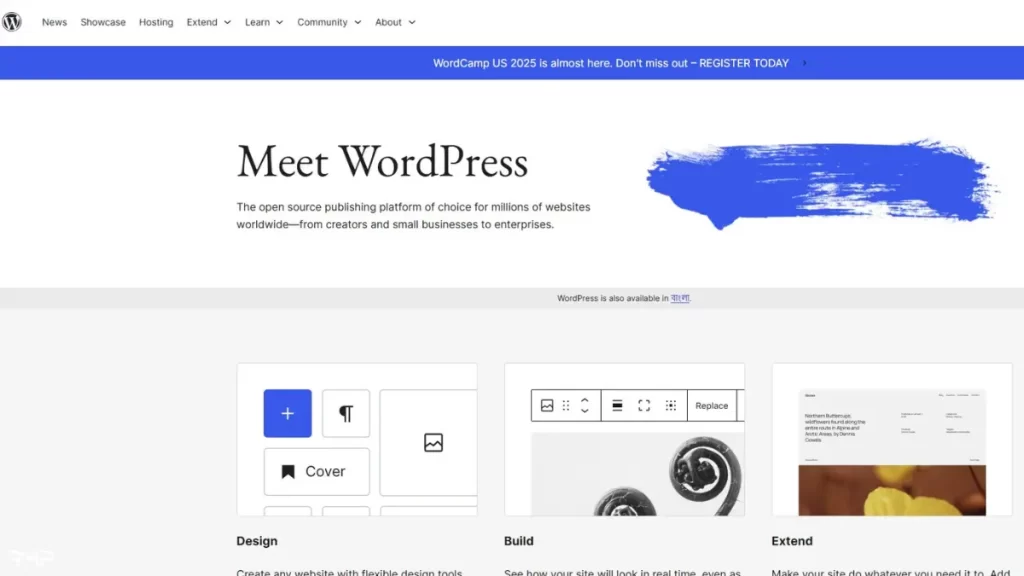
WordPress is a versatile, open-source content management system (CMS) powering 43% of websites globally, per W3Techs data. Its flexibility makes it a top choice for customizable real estate websites. Agents can create professional sites with real estate-specific themes and plugins, tailoring every aspect to their brand. WordPress supports solo agents, teams, or brokerages needing robust functionality.
Key Features
- IDX/MLS Integration: Plugins like Showcase IDX or iHomefinder provide real-time MLS listings, updating every 15 minutes for accurate property data.
- Themes and Customization: Over 5,000 real estate-specific themes allow unique branding, from luxury to local markets.
- SEO Tools: Plugins like Yoast or RankMath optimize meta tags, headings, and keywords for local searches like “homes for sale in [city].”
- CRM Integration: Connects with tools like Follow Up Boss or HubSpot to manage leads efficiently.
- Mobile Responsiveness: Thousands of responsive themes ensure sites look great on smartphones, critical as 70% of users browse on mobile.
- Analytics and Plugins: Supports Google Analytics and plugins for blogging, lead forms, and social media integration.
Pros and Cons
| Pros | Cons |
| Limitless customization options for unique branding | Requires separate hosting ($5-$30/month) |
| Scalable for solo agents or large teams | Steeper learning curve for beginners |
| Free core software, cost-effective with plugins | IDX subscriptions add $50-$150/month |
| Strong SEO tools for local search rankings | Needs technical setup for advanced features |
Why Choose WordPress for Real Estate?
WordPress excels for agents seeking full control over their site’s design and functionality. Its vast ecosystem supports realtor web design for luxury markets, hyperlocal branding, or niche audiences. Setup requires some technical skills, like configuring hosting or plugins, but the platform’s flexibility is unmatched. Pricing starts at $0 for the software, with hosting at $5-$30/month and IDX fees of $50-$150/month. It’s ideal for agents comfortable with customization or those hiring a developer for a tailored site.
2. Placester
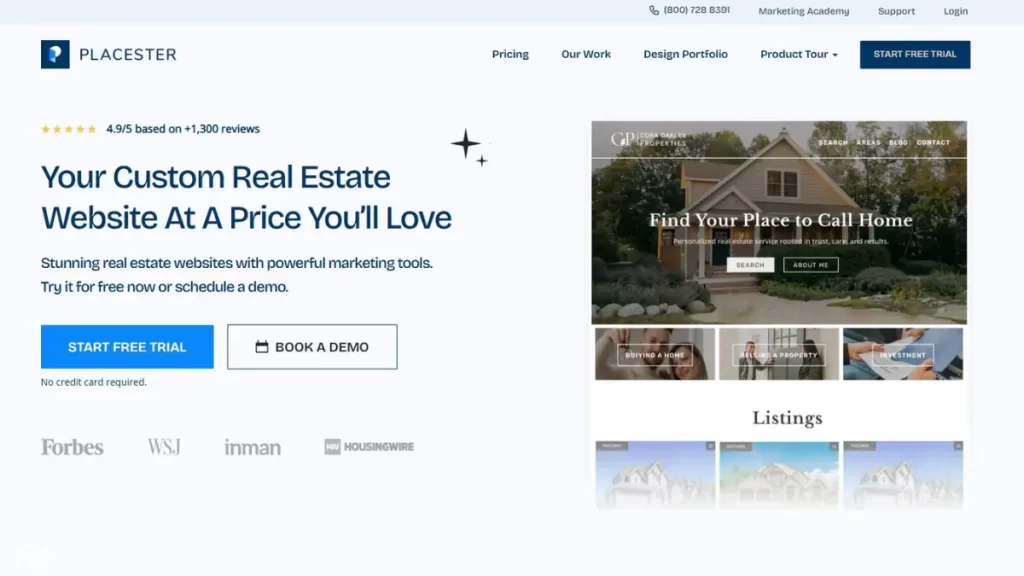
Placester is a real estate-specific platform designed for simplicity and affordability. Affiliated with the National Association of Realtors, it offers user-friendly tools tailored for real estate agent websites. Its drag-and-drop interface and pre-built templates make it accessible for agents with limited technical skills, delivering professional results quickly.
Key Features
- IDX/MLS Integration: Seamless MLS integration updates listings every 15 minutes, ensuring accuracy for buyers.
- Built-in CRM: Includes lead capture forms and a CRM to track and nurture prospects, with automated follow-up options.
- Drag-and-Drop Editor: Customizable real estate website templates require no coding, ideal for beginners.
- Mobile App: Manages open houses and leads on the go, enhancing agent productivity.
- SEO and Marketing Tools: Built-in SEO features and social media integration support local visibility and content sharing.
- Blogging Platform: Enables content marketing with market updates or home-buying tips.
Pros and Cons
| Pros | Cons |
| Affordable, starting at $79/month for NAR members | Limited customization compared to WordPress |
| Quick setup with real estate-focused features | Higher-tier plans ($99-$199/month) can be pricey |
| User-friendly for beginners, no coding needed | Fewer advanced features for large teams |
| Seamless IDX integration with fast updates | Additional $25/month IDX fee |
Why Choose Placester?
Placester is perfect for new agents or those needing a professional site without technical hassle. Its real estate-focused features, like IDX and CRM, streamline lead generation. Pricing starts at $79/month for NAR members, plus a $25/month IDX fee, making it budget-friendly. It suits agents prioritizing ease and speed over extensive customization, delivering reliable real estate website templates for quick launches.
3. Real Geeks
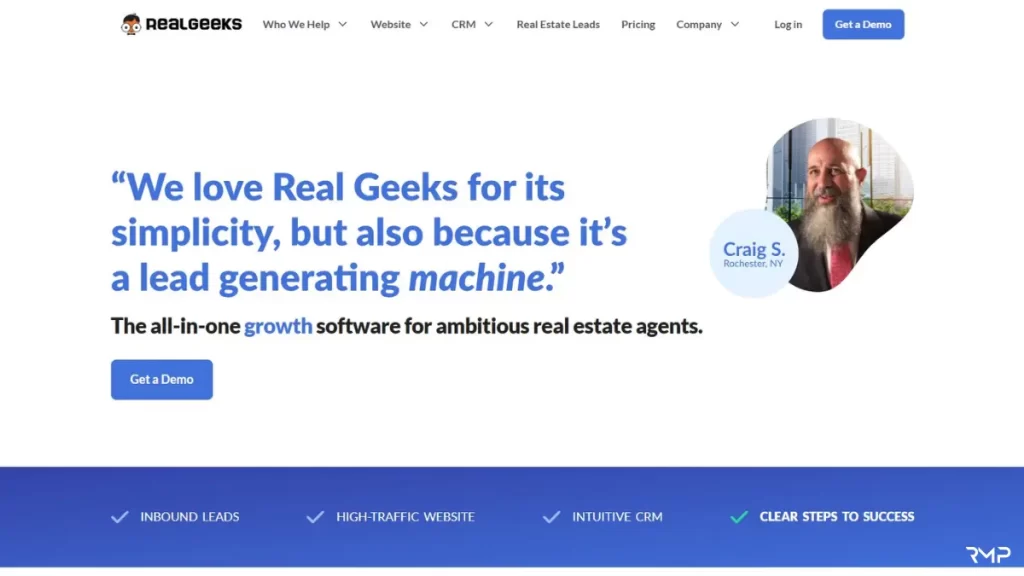
Real Geeks is an all-in-one platform focused on lead generation websites for agents. It combines IDX websites, CRM, and marketing tools to attract and convert prospects. Designed for scalability, it serves solo agents and teams aiming to automate lead nurturing and grow their client base.
Key Features
- IDX/MLS Integration: Advanced search filters and real-time MLS updates enhance user experience for buyers.
- Built-in CRM: Automates email drip campaigns and tracks lead behavior, boosting conversions.
- Marketing Tools: Integrates with Facebook ads and PPC campaigns for targeted advertising.
- SEO and Blogging: Built-in SEO tools and a blogging platform support content marketing for local rankings.
- Mobile Optimization: Responsive designs ensure accessibility, critical for the 70% of mobile users.
- Lead Capture: Customizable forms and landing pages drive lead generation.
Pros and Cons
| Pros | Cons |
| Powerful lead management with automated tools | Higher price point, starting at $299/month |
| User-friendly interface, no coding required | Less design flexibility than WordPress |
| Advanced IDX with robust search filters | May overwhelm solo agents with features |
| Strong marketing integrations for ads and email | Limited customization for unique branding |
Why Choose Real Geeks?
Real Geeks is ideal for agents prioritizing lead generation and automation. Its CRM and marketing tools streamline follow-ups, increasing conversions by 25%, per industry benchmarks. Pricing starts at $299/month, reflecting its premium features. It’s best for teams or ambitious solo agents scaling their lead pipelines with minimal manual effort.
4. AgentFire

AgentFire is a WordPress-based platform tailored for hyperlocal real estate branding. It focuses on neighborhood-specific marketing, making it ideal for agents targeting local markets. Built on WordPress, it combines flexibility with real estate-specific tools, offering a balance of customization and ease for realtor web design.
Key Features
- IDX Integration: Uses Showcase IDX and ClickMaps for hyperlocal search, updating MLS listings every 15 minutes.
- Customizable Landing Pages: Create neighborhood or community pages to target specific markets, enhancing local SEO.
- AI Tools: Generate content like blog posts or market reports, saving time on content marketing.
- Performance Dashboards: Track visitor behavior, lead conversions, and site speed with built-in analytics.
- SEO Optimization: Supports local search rankings with tools for meta tags and keyword optimization.
- Mobile Optimization: Responsive designs ensure accessibility for 70% of mobile users, per Google Analytics data.
Pros and Cons
| Pros | Cons |
| Hyperlocal focus for targeted marketing | Less flexible than pure WordPress |
| Affordable, starting at $149/month | One-time $600 setup fee |
| Fast site performance with SEO tools | Limited advanced features for brokerages |
| User-friendly for WordPress-based platform | Requires some technical setup |
Why Choose AgentFire?
AgentFire is great for agents targeting specific neighborhoods or communities. Its hyperlocal tools, like ClickMaps and community pages, boost local search visibility. Pricing starts at $149/month, plus a $600 setup fee, making it cost-effective for focused marketing. It suits agents who want WordPress flexibility without managing hosting or plugins themselves, ideal for real estate website platforms with a local edge.
5. Wix
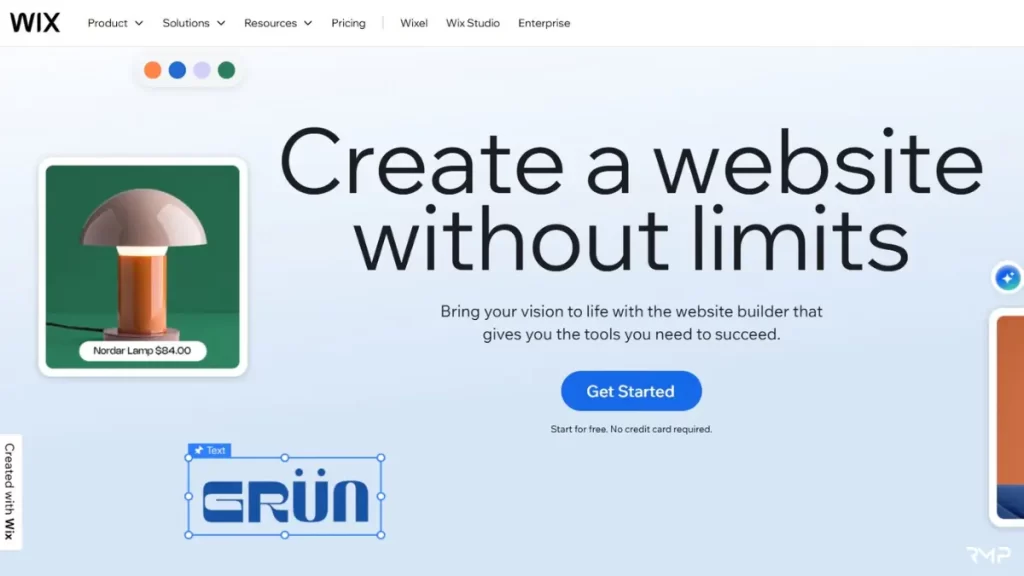
Wix is a drag-and-drop real estate website builder known for its ease of use and visual appeal. With over 20 real estate-specific templates, it’s accessible for agents with no coding skills. Wix supports customizable real estate websites, making it a popular choice for solo agents or small teams on a budget.
Key Features
- Drag-and-Drop Editor: Customize over 20 real estate templates without coding, perfect for quick setups.
- IDX Integration: Supports third-party apps like iHomefinder for MLS listings, though integration can vary.
- SEO Tools: Built-in features optimize meta tags, headings, and keywords for local searches.
- Social Media Integration: Share listings on Facebook or Instagram directly from the platform.
- Appointment Scheduling: Built-in tools let clients book consultations, enhancing lead capture.
- Mobile-Friendly Designs: Responsive templates ensure sites look great on smartphones.
Pros and Cons
| Pros | Cons |
| Beginner-friendly, no coding needed | IDX integration can be inconsistent |
| Affordable, starting at $17/month | Storage limits on lower plans |
| Visually appealing, modern templates | Less scalable for large teams |
| Strong SEO and social media tools | Additional IDX fees (~$150/month) |
Why Choose Wix?
Wix is ideal for solo agents or small teams needing a quick, budget-friendly site. Its drag-and-drop real estate website builder simplifies setup, and pricing starts at $17/month, plus IDX fees of ~$150/month. While IDX integration may lack the seamlessness of dedicated platforms, Wix’s ease and affordability make it a strong choice for agents prioritizing simplicity and design.
6. Squarespace

Squarespace is a design-focused platform with sleek real estate website templates, ideal for agents targeting high-end or boutique markets. Its intuitive interface and modern designs help agents create visually stunning sites, though its IDX capabilities are limited compared to real estate-specific platforms.
Key Features
- Modern Templates: Over 10 real estate-focused templates for professional, high-end branding.
- Limited IDX Integration: Supports third-party apps like Ultimate IDX for MLS listings, with some setup complexity.
- SEO Tools: Built-in features optimize for local searches, including meta tags and sitemaps.
- Blogging Platform: Create content like market updates or home-buying tips to attract visitors.
- Social Media Sharing: Easily share listings or blog posts on social platforms.
- Mobile Optimization: Responsive designs ensure accessibility on all devices.
Pros and Cons
| Pros | Cons |
| Stunning, modern designs for branding | Limited IDX integration capabilities |
| Affordable, starting at $16/month | Less scalable for teams or brokerages |
| Easy-to-use interface, no coding needed | Third-party IDX setup can be complex |
| Strong blogging and SEO tools | Fewer real estate-specific features |
Why Choose Squarespace?
Squarespace suits agents focusing on aesthetics, such as luxury or boutique markets. Pricing starts at $16/month, making it cost-effective for solo agents with small portfolios. Its limited IDX support makes it less ideal for listings-heavy sites, but its design quality and simplicity appeal to agents prioritizing visual appeal over advanced functionality.
7. BoomTown
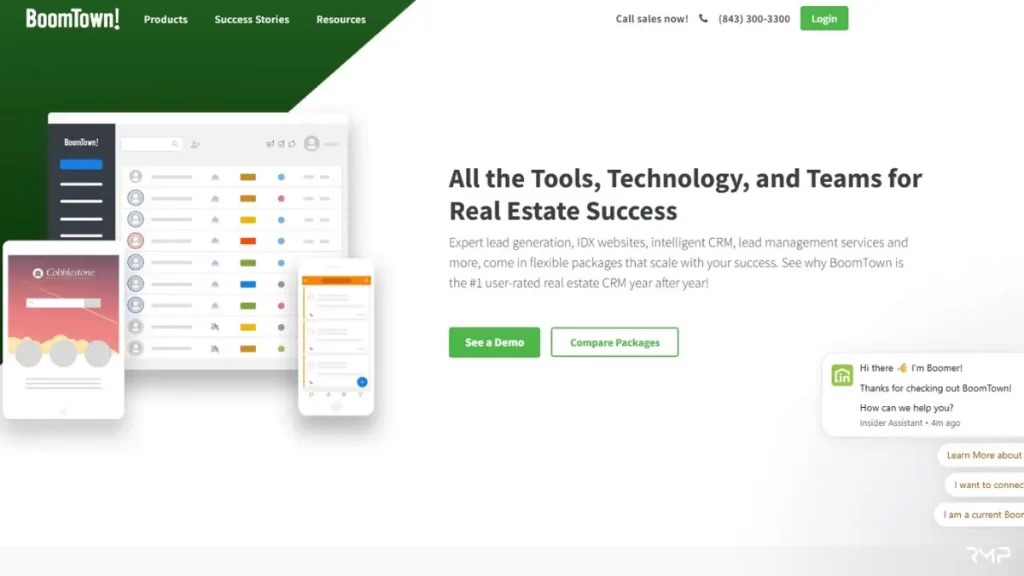
BoomTown is a premium, all-in-one platform designed for teams and brokerages scaling their lead pipelines. It combines high-converting IDX websites with advanced CRM and marketing tools, making it a top choice for website builders with MLS integration. Its robust features cater to high-volume businesses.
Key Features
- High-Converting IDX Websites: Forced registration captures leads, with MLS updates every 15 minutes.
- Comprehensive CRM: Tracks leads, automates follow-ups, and integrates email drip campaigns.
- PPC Ad Management: Built-in tools optimize Google and Facebook ads for targeted lead generation.
- Dynamic Map Search: Advanced search filters enhance user experience for buyers.
- A/B Testing: Test landing pages to improve conversion rates, boosting leads by 20%, per industry benchmarks.
- Mobile-Responsive Designs: Ensures accessibility for mobile users, critical for 70% of site visitors.
Pros and Cons
| Pros | Cons |
| Robust lead generation with forced registration | Expensive, starting at $1,000/month |
| Advanced CRM and marketing tools | Overkill for solo agents or small teams |
| Strong SEO and PPC ad integration | Complex setup for non-technical users |
| Team management features for brokerages | High cost limits affordability |
Why Choose BoomTown?
BoomTown is ideal for teams and brokerages aiming to scale lead generation. Its advanced features, like forced registration and PPC tools, maximize conversions. Pricing starts at $1,000/month, reflecting its premium offerings. It’s best for high-volume businesses needing comprehensive tools, not solo agents on a budget.
Recommended: Website Design for Real Estate Agents
How to Choose the Best Website Builder for Your Real Estate Business
Selecting the best website builders for real estate agents requires understanding your business needs and goals. A website is more than a digital brochure; it’s a tool to generate leads, showcase listings, and build your brand.
Factors to Consider
Several factors influence which website builder suits your real estate business. These include budget, ease of use, customization, and scalability. Each factor impacts how effectively your site serves your clients and grows your business.
Budget: Costs vary widely, from $10/month for basic platforms to $1,000+/month for premium solutions. Factor in additional expenses like hosting, IDX fees, or premium templates. Affordable options like Wix work for solo agents, while brokerages may need robust platforms like BoomTown.
Ease of Use: Drag-and-drop real estate website builders like Placester or Wix require no coding skills, ideal for beginners. Platforms like WordPress may need more technical know-how but offer greater flexibility.
Customization: Customizable real estate websites let you reflect your brand through colors, logos, and layouts. WordPress and AgentFire excel here, while Squarespace offers sleek but less flexible designs.
Scalability: Solo agents need simple sites, but teams or brokerages require features like team management or advanced CRM integration. Choose a platform that grows with your business, like Real Geeks or BoomTown.
Importance of IDX and MLS Integration
IDX (Internet Data Exchange) and MLS (Multiple Listing Service) integration ensures your website displays up-to-date property listings. This feature is critical for attracting buyers and keeping them engaged. Website builders with MLS integration pull listings directly from your local MLS, updating every 15 minutes on platforms like Placester. Without IDX, your site may rely on outdated or manual listing updates, reducing user trust.
According to Inman, 70% of real estate websites with IDX see higher lead conversion rates. Look for builders like Real Geeks or AgentFire, which offer seamless IDX solutions for a professional user experience.
SEO and Mobile Optimization
Search engine optimization (SEO) and mobile-friendly design are essential for ranking high and reaching clients. An SEO-friendly website builder for agents helps you rank for local searches like “homes for sale in [city].” Tools like Yoast (for WordPress) or built-in SEO features (in Wix) optimize meta tags, headings, and keywords.
Mobile optimization is equally critical, as 70% of users browse on smartphones, per Google Analytics data. Responsive templates ensure your site looks great on any device. Test site speed using tools like Google PageSpeed Insights to reduce bounce rates and improve user experience.
Lead Generation and Marketing Tools
Lead generation websites for agents need built-in tools to capture and nurture prospects. Features like lead capture forms, pop-ups, and CRM integration streamline follow-ups. Platforms like Real Geeks offer automated email drip campaigns, while BoomTown includes PPC ad management. Social media integration lets you share listings on Facebook or Instagram, driving traffic.
Look for builders with analytics to track visitor behavior and conversion rates. Effective CTAs, like “Get a Free Home Valuation,” can increase leads by 25%, based on industry benchmarks. Choose a platform that aligns with your marketing strategy to maximize ROI.
Common Mistakes to Avoid When Choosing a Website Builder
Selecting the best website builders for real estate agents can make or break your online presence. A wrong choice can lead to wasted time, money, and missed leads.
Overlooking IDX/MLS Integration
IDX (Internet Data Exchange) and MLS (Multiple Listing Service) integration is critical for real estate websites. It ensures listings are updated in real time, keeping buyers engaged. Without it, your site may show outdated properties, reducing trust and leads.
- Why It’s a Mistake: Without website builders with MLS integration, you rely on manual updates or third-party platforms like Zillow, losing control over your brand. This can cut lead conversions by 30%, per industry benchmarks.
- Solution: Choose platforms like Placester or Real Geeks with native IDX integration, updating listings every 15 minutes. Even general builders like Wix can support IDX via apps like iHomefinder, though setup may be complex.
- Actionable Tip: Verify your local MLS is compatible with the builder’s IDX provider before committing.
Ignoring SEO and Mobile Performance
SEO and mobile optimization are essential for ranking high and retaining visitors. A poorly optimized site can drop in search rankings or frustrate users, especially since 70% browse on smartphones.
- Why It’s a Mistake: An SEO-friendly website builder for agents helps rank for searches like “homes for sale in [city].” Slow or non-mobile-friendly sites increase bounce rates by 40%, per Google Analytics data, driving users to competitors.
- Solution: Select builders with built-in SEO tools, like WordPress with Yoast or Squarespace’s meta tag features. Ensure responsive designs adapt to mobile screens. Test site speed with Google PageSpeed Insights, aiming for load times under 3 seconds.
- Actionable Tip: Optimize images with tools like TinyPNG and use clean URL structures to boost SEO performance.
Choosing Based on Price Alone
Focusing only on cost can lead to a website that lacks essential features, limiting your business growth. While budget matters, prioritizing affordability over functionality is a common pitfall.
- Why It’s a Mistake: Cheap platforms may lack IDX, CRM integration, or scalability, hindering lead generation. For example, a $10/month builder may save money but miss features critical for customizable real estate websites, costing leads in the long run.
- Solution: Balance cost with functionality. Platforms like Wix ($17/month) are affordable for solo agents, while BoomTown ($1,000/month) suits teams needing advanced tools. Consider long-term ROI, as a site generating 10 extra leads monthly can justify higher costs.
- Actionable Tip: Test free trials, like Placester’s 30-day trial, to evaluate features before committing to a paid plan.
Conclusion
A professional website is essential for real estate agents to thrive in 2025. The best website builders for real estate agents, like WordPress, Placester, Real Geeks, AgentFire, Wix, Squarespace, and BoomTown, offer tools to showcase listings, capture leads, and boost visibility.
To maximize your site’s impact, prioritize features that align with your budget and goals. Test free trials, like Placester’s 30-day offer or Wix’s free plan, to evaluate functionality. For a tailored solution, our agency offers expert real estate web design services to create a high-converting, SEO-optimized website that drives leads and reflects your brand. Contact us today to build a website that sets you apart in your market and grows your business.


