7 Mortgage Email Templates You Can Use to Win More Clients
Email remains one of the most reliable channels for mortgage professionals who need consistent borrower engagement and predictable deal flow. For mortgage loan officers and brokers, the challenge is rarely whether to send emails. The challenge is what to say at each stage of the mortgage process.
Well-structured mortgage email templates solve that problem. They reduce response delays, improve clarity with borrowers, and support stronger follow-ups without sounding scripted or aggressive. According to a HubSpot benchmark, email marketing delivers an average ROI of $36 for every $1 spent, making it one of the most cost-effective tools in mortgage marketing when executed correctly.
This guide provides 7 proven mortgage email templates designed for real-world use—lead responses, pre-approvals, rate updates, refinances, and long-term nurturing. Each template aligns with how borrowers make decisions, how loan officers manage pipelines, and how modern mortgage CRM systems automate communication without sacrificing trust.
How to Use Mortgage Email Templates Effectively
Mortgage email templates work because they create consistency. They fail when they sound generic or disconnected from the borrower’s situation. Effective mortgage email marketing relies on structure, timing, and relevance—not mass sending.
Templates should function as repeatable frameworks that support daily communication while leaving room for personalization and compliance checks.
Personalization vs. Automation in Mortgage Email Marketing
Automation saves time, but personalization drives replies. Mortgage loan officers who rely on fully automated emails without context often see lower response rates and higher unsubscribes.
High-performing mortgage CRM email templates personalize three core elements:
- Borrower name and loan purpose
- Stage in the mortgage journey (inquiry, pre-approval, application, or post-close)
- Local or situational context, such as purchase timelines or rate sensitivity
Mortgage email examples that include at least one contextual reference typically outperform generic messages because they signal active attention, not automated outreach.
Automation should handle delivery and timing. Personalization should shape the message.
Compliance and Trust in Mortgage Client Communication Emails
Mortgage emails must be accurate, clear, and compliant. Borrowers evaluate trust based on wording, not disclaimers alone.
Effective mortgage client communication emails follow three rules:
- Rate language stays conditional unless locked
- Promises avoid guarantees or savings claims
- Calls to action focus on discussion, not pressure
Clear, compliant language protects both the borrower and the loan officer while reinforcing professionalism. This matters most in mortgage rate update emails, refinance outreach, and pre-approval communication.
Where These Templates Fit in Mortgage Drip Campaigns and CRMs
Mortgage email templates perform best when assigned to specific pipeline triggers. Random sending leads to inconsistent follow-ups and missed opportunities.
Common placements include:
- Immediate lead response emails within 5 minutes
- Application follow-up emails after 48–72 hours of inactivity
- Long-term mortgage lead nurturing emails sent monthly
Loan officers who align templates with CRM triggers maintain consistent borrower communication without manually drafting every message. This approach supports scalable loan officer email marketing while preserving a personal tone.
Template #1 – Mortgage Lead Response Email (First Touch)

Speed and clarity determine whether a new mortgage lead turns into a real conversation. Data from mortgage CRM providers shows that responding within 5 minutes can increase contact rates by more than 8× compared to delayed responses. The purpose of a first-touch mortgage email is simple: confirm receipt, establish credibility, and prompt a reply.
This is not a sales email. It is a trust-building message that signals professionalism and availability.
When to Use This Mortgage Email
Send this email immediately after:
- A website inquiry
- A paid lead submission
- A referral introduction
- An open house or event signup
What This Email Needs to Accomplish
- Confirm the inquiry was received
- Explain what happens next
- Invite a short conversation
Mortgage Lead Response Email Template
Subject: Thanks for reaching out about your home loan
Hi {{First Name}},
Thanks for reaching out about your mortgage inquiry. I received your request and wanted to follow up personally.
To help you accurately, I’ll need a few details about your purchase timeline and financing goals. A short call usually takes 10–15 minutes and helps clarify next steps quickly.
Let me know a good time to connect, or feel free to reply directly with any questions.
Best regards,
{{Your Name}}
{{Title}}
{{Phone Number}}
This format works because it removes pressure while setting a clear next step. Mortgage email examples that ask for a simple reply consistently outperform emails that push scheduling links too early.
Template #2 – Mortgage Pre-Approval Email Template
Pre-approval emails often mark the first serious commitment in the borrower journey. According to lending industry benchmarks, buyers who secure pre-approval submit offers 2–3 weeks faster than those who do not. This email should educate, reassure, and move the borrower forward without creating confusion.
Ideal Use Cases
- First-time homebuyers
- Buyers referred by real estate agents
- Online leads requesting payment estimates
What This Email Should Communicate
- Why pre-approval matters
- What documents are required
- How long the process takes
Mortgage Pre-Approval Email Template
Subject: Next step: getting you pre-approved
Hi {{First Name}},
Getting pre-approved helps you understand your price range and strengthens your position when making an offer.
The pre-approval process typically takes 24–48 hours once documents are received. I’ll review income, assets, and credit to provide an accurate approval amount—not an estimate.
If you’d like to move forward, reply to this email and I’ll send a secure link with the required items.
I’m here to guide you through each step.
Regards,
{{Your Name}}
Clear expectations reduce drop-off at this stage. First-time homebuyer email templates perform best when they explain the process without using industry jargon.
Template #3 – Mortgage Application Follow-Up Email
Borrowers often pause after starting a mortgage application. Internal lender data shows that incomplete applications account for nearly 35% of stalled pipelines. This follow-up email re-engages the borrower without creating friction.
Why Borrowers Stop Responding
- Document uncertainty
- Competing lenders
- Decision fatigue
Tone and Structure That Gets Replies
- Neutral and supportive language
- Clear reference to what is missing
- A single action request
Mortgage Application Follow-Up Email Template
Subject: Quick follow-up on your mortgage application
Hi {{First Name}},
I wanted to check in regarding your mortgage application. I noticed a few items are still pending, and I want to make sure nothing is unclear.
Once those items are received, I can move your file forward and provide accurate next steps. If you have questions or need clarification, reply here and I’ll help.
Thanks,
{{Your Name}}
Mortgage follow-up emails work best when they remove uncertainty rather than apply pressure. This template fits naturally into mortgage lead nurturing emails and short-term CRM follow-up sequences.
Template #4 – Mortgage Rate Update Email
Mortgage rate updates influence borrower decisions, but only when the message is relevant. Broad rate-blast emails often get ignored because they lack context. Effective mortgage rate update emails explain what changed, who it affects, and what action—if any—makes sense.
According to Freddie Mac data, even a 0.50% rate change can shift monthly payments by more than $150 on a $400,000 loan. Borrowers need clarity, not urgency.
When to Send Rate Update Emails
Send this email when:
- Rates move meaningfully within a short window
- A borrower is actively shopping or pre-approved
- A locked rate is nearing expiration
Mortgage Rate Update Email Template
Subject: Mortgage rate update that may affect your options
Hi {{First Name}},
I wanted to share a quick update on current mortgage rates. Rates have adjusted recently, which may affect monthly payments or loan structure depending on timing.
If you’re actively looking or planning next steps, this is a good time to review options and confirm whether adjustments make sense.
Reply here if you’d like to discuss how this applies to your situation.
Best,
{{Your Name}}
This structure avoids alarmist language and keeps the message consultative. Mortgage marketing emails that focus on relevance consistently outperform rate-only announcements.
Template #5 – Mortgage Refinance Email Template
Refinance emails work best when sent to the right segment at the right time. Homeowners respond when the message connects rates to real outcomes such as cash flow, debt consolidation, or long-term savings.
Industry lending data shows that refinance response rates increase when emails reference monthly payment changes instead of abstract rate comparisons.
Ideal Audience Segments
- Past clients
- Homeowners with adjustable-rate loans
- Borrowers who closed 2–5 years ago
Mortgage Refinance Email Template
Subject: Quick check-in about your current mortgage
Hi {{First Name}},
I’m reaching out to let you know that current loan options may offer opportunities to adjust monthly payments or loan terms, depending on your goals.
A short review can determine whether refinancing makes financial sense based on your current balance, rate, and timeline.
If you’d like me to take a look, reply to this email and I’ll walk you through the numbers.
Regards,
{{Your Name}}
Mortgage refinance email templates perform better when framed as an evaluation, not a promotion. This approach builds trust and encourages replies from long-term database contacts.
Template #6 – Mortgage Follow-Up Email After a Call or Meeting
Post-call follow-up emails reinforce clarity and reduce deal friction. Borrowers who receive written confirmation of next steps complete applications faster and ask fewer repetitive questions.
This email also serves as a professional touchpoint that separates consistent loan officers from transactional ones.
What This Email Should Recap
- Key points discussed
- Required documents
- Agreed next steps
Mortgage Post-Call Follow-Up Email Template
Subject: Summary and next steps from our conversation
Hi {{First Name}},
Thanks for taking the time to speak with me today. As discussed, the next step is to collect a few documents so I can move your loan forward.
Once received, I’ll review everything and confirm timelines and options. If questions come up, reply here and I’ll clarify.
Talk soon,
{{Your Name}}
Loan officer email marketing that includes post-meeting summaries improves borrower confidence and reduces drop-off between conversations.
Template #7 – Long-Term Mortgage Nurture / Newsletter Email
Not every contact is ready to act. Long-term nurture emails maintain visibility and credibility without pressuring the reader. According to email engagement benchmarks, monthly newsletters generate 30–40% higher open rates than sporadic outreach.
This email supports referral generation, repeat business, and brand consistency.
Purpose of Mortgage Nurture Emails
- Stay top-of-mind
- Provide useful, non-promotional value
- Support long sales cycles
Mortgage Newsletter Email Template
Subject: Monthly mortgage insights and market updates
Hi {{First Name}},
Here’s a quick update on the local housing market and mortgage trends that may be helpful as you plan ahead.
If questions come up or circumstances change, feel free to reach out. I’m always available as a resource.
Best,
{{Your Name}}
Mortgage drip campaigns perform best when newsletters remain informational and concise. Over time, consistent communication strengthens trust and increases inbound inquiries without aggressive sales tactics.
How to Customize These Mortgage Email Templates for Better Results
Mortgage email templates create consistency, but customization determines performance. Small adjustments in wording, timing, and structure often separate emails that get opened from those that get ignored. High-performing mortgage email marketing relies on relevance at the individual borrower level.
Subject Line Optimization for Mortgage Emails
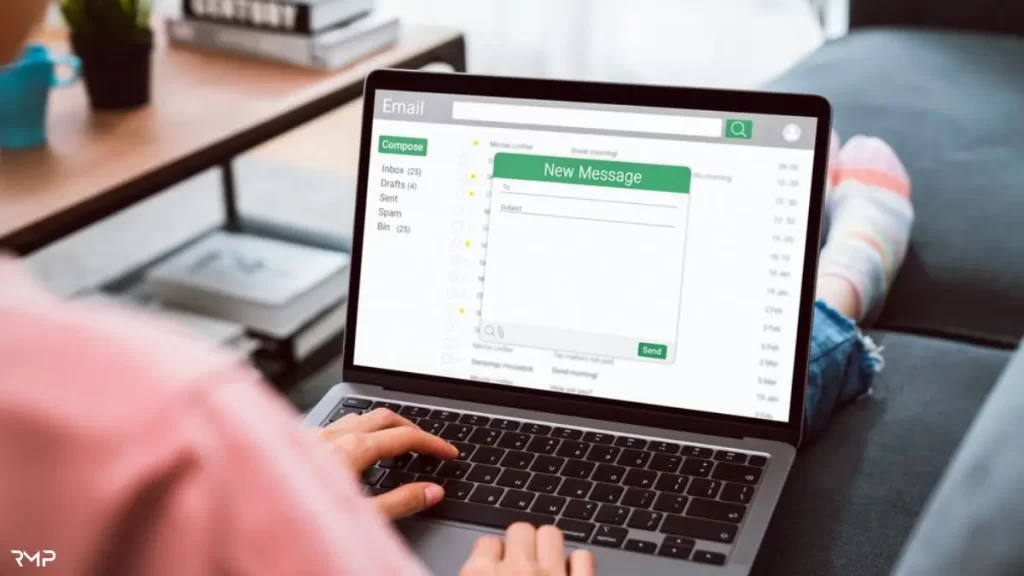
Subject lines directly influence open rates. Mortgage emails perform best when subject lines are specific and neutral rather than promotional.
Effective subject lines usually:
- Reference a clear action or update
- Avoid urgency unless time-sensitive
- Stay under 45 characters for mobile visibility
For example, “Next step on your mortgage request” typically outperforms generic rate-based headlines because it signals relevance instead of marketing intent.
Mobile Optimization and Readability
More than 60% of mortgage-related emails are opened on mobile devices. Emails that require scrolling or decoding long paragraphs lose attention quickly.
Strong mortgage client communication emails use:
- Short paragraphs
- Clear spacing
- One primary call to action
Mobile-friendly formatting improves response rates without changing the message itself.
Tracking and Improving Email Performance
Customization also includes performance tracking. Mortgage CRM platforms allow loan officers to monitor opens, replies, and follow-up completion.
Key metrics to watch include:
- Open rate trends by email type
- Response timing after sends
- Drop-off points in nurture sequences
Templates should evolve based on borrower behavior, not remain static.
Final Thoughts
Mortgage email templates work best when treated as an operational system, not one-off messages. Each template supports a specific borrower decision point, from first inquiry to long-term nurturing.
When aligned with CRM triggers, compliance standards, and consistent personalization, these templates reduce manual effort while improving borrower trust. Mortgage professionals who systematize communication close more loans with fewer follow-ups and maintain stronger relationships well beyond the initial transaction.