Email Marketing for Construction Companies: Strategies That Work

Email marketing is more than a digital communication tool for construction companies—it’s a proven strategy to generate leads, build stronger client relationships, and keep projects on track. For contractors and builders competing in a crowded market, email campaigns offer a low-cost and measurable way to stay connected with prospects and existing clients.
A contractor who sends structured updates, newsletters, and follow-up campaigns has a better chance of closing projects and keeping past clients engaged for repeat work. According to the Direct Marketing Association, email marketing delivers an average ROI of $36 for every $1 spent, making it one of the most cost-effective channels available to construction firms.
Today, we will explore the most effective strategies construction companies can use, starting with the different types of email campaigns that drive results.
Types of Email Campaigns Construction Companies Should Send
Different types of email campaigns serve unique purposes, from generating leads to maintaining long-term relationships. For construction companies, using a mix of promotional, educational, and project-based emails ensures consistent communication and engagement.
Construction Company Newsletters
Newsletters allow construction firms to share updates on completed projects, highlight team achievements, and provide insights into industry trends. A monthly or quarterly newsletter keeps your brand visible and positions your company as an authority in the sector.
Key inclusions in a construction company newsletter:
- Photos of ongoing or completed projects
- Updates on new services, equipment, or certifications
- Seasonal building tips and compliance reminders
- Invitations to community events or open houses
Promotional & Lead Nurturing Emails
Promotional campaigns are designed to move prospects closer to hiring your services. These can include time-sensitive offers, service discounts, or case studies showcasing completed builds.
Lead nurturing emails guide potential clients through the decision-making process. For example, a contractor might send a series of emails explaining cost estimates, sharing testimonials, and detailing project timelines. This approach helps build trust before contracts are signed.
Project Update Emails for Clients
Transparency during a construction project is critical. Project update emails allow contractors to keep clients informed without requiring constant phone calls or meetings. These updates may include:
- Weekly or bi-weekly progress reports with photos
- Notifications about completed milestones
- Alerts for changes in timelines or schedules
Such emails reduce miscommunication and strengthen client trust.
Educational Content Emails
Educational campaigns provide value by teaching prospects and clients about building processes, safety measures, and maintenance practices. Sending a guide like “5 Questions to Ask Before Starting a Home Renovation” or sharing tips about sustainable materials helps establish authority.
These emails work particularly well for contractors looking to position themselves as experts rather than just service providers. Clients are more likely to choose a builder who offers advice, not just quotes.
Building an Email List for Construction Businesses
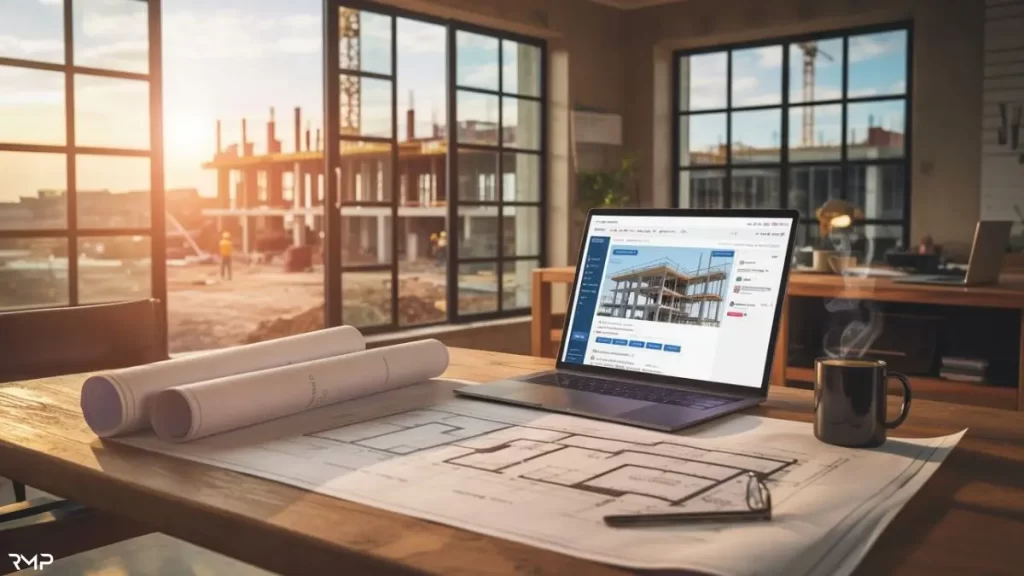
A successful email marketing strategy begins with a strong list of qualified contacts. For construction companies, this means capturing leads from multiple channels and ensuring that subscribers are genuinely interested in services. Unlike buying generic lists, building an email list organically ensures better engagement and higher conversion rates.
Lead Magnets That Work for Contractors
To encourage prospects to share their email addresses, contractors need to provide something of value. These lead magnets can be tailored to residential or commercial audiences.
Examples of effective lead magnets:
- Free checklists or eBooks – A guide such as “10 Things to Know Before Hiring a Contractor” can attract homeowners researching potential projects.
- Project calculators – Offering a cost estimator for remodeling or commercial builds gives prospects practical insights while capturing their contact details.
- Webinar invites – Short sessions covering topics like energy-efficient construction or compliance requirements can position your firm as a trusted expert.
Collecting Emails Effectively
The placement of sign-up forms and calls-to-action plays a major role in list growth. A contractor website should include visible and mobile-friendly forms on service pages, landing pages, and blog articles. Integrating forms with customer relationship management (CRM) systems ensures leads are automatically stored for future campaigns.
Offline methods are equally valuable. Contractors can gather email addresses at trade shows, networking events, or community open houses by using digital tablets or QR code sign-ups. Even job site signage can direct potential clients to a landing page with an email capture form.
Crafting Effective Contractor Email Marketing Campaigns
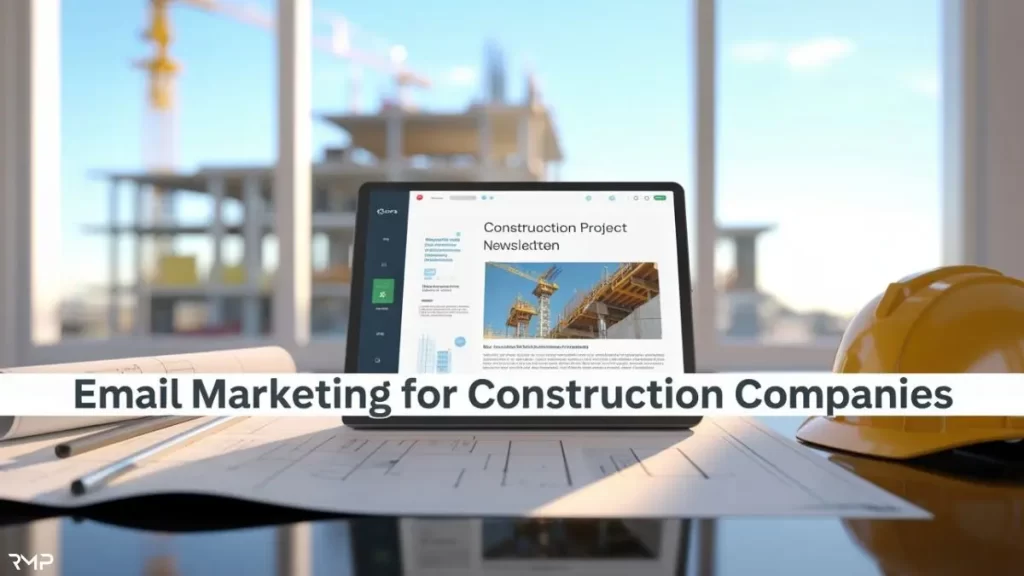
Once a list is in place, the focus shifts to creating campaigns that resonate with subscribers. Every message should have a clear purpose, whether it’s generating new inquiries, nurturing leads, or updating existing clients.
Best Practices for Construction Email Copywriting
The wording of an email determines whether it gets opened, read, and acted upon. Clear subject lines are essential. Instead of generic phrases like “Monthly Update”, a subject such as “See How We Completed a $2M Commercial Build in 8 Months” sparks interest while staying professional.
The body content should remain concise and structured with short paragraphs. Construction companies benefit from a professional yet approachable tone that avoids jargon. Each email should include one clear call-to-action (CTA), such as scheduling a consultation, requesting a quote, or viewing a project portfolio.
Visuals and Design for Construction Emails
Emails that combine strong visuals with text perform better than plain-text campaigns. High-quality images of completed builds, infographics explaining project stages, and before-and-after photos add credibility.
Key design elements:
- Branded templates with company logo and consistent colors
- Responsive layouts for mobile and tablet users
- Buttons instead of plain text links for CTAs
A construction company that showcases its work visually often earns higher engagement rates compared to firms relying solely on written descriptions.
Personalization & Segmentation Strategies
Not every subscriber is at the same stage of the customer journey. Segmenting lists improves relevance and prevents subscribers from receiving irrelevant emails.
Common segmentation categories:
- Client type – residential homeowners, commercial property developers, or government contracts
- Project stage – prospects requesting estimates, active clients in construction, or past clients for upsell opportunities
- Behavioral data – people who clicked on specific services, attended webinars, or downloaded resources
Personalized content—such as addressing a homeowner by name or referencing their project type—can increase open rates by more than 20%, according to data from Campaign Monitor.
Email Automation for Construction Companies

Email automation allows construction businesses to communicate with prospects and clients consistently without manually sending every message. Automated sequences save time, nurture relationships, and ensure no opportunity slips through the cracks.
Drip Campaigns to Nurture Leads
A drip campaign delivers a series of pre-scheduled emails triggered by user actions or sign-ups. For contractors, this approach works well for educating prospects and moving them closer to a decision.
Examples of effective drip campaigns:
- Welcome sequence – A short series sent after someone downloads a checklist or requests an estimate. The first email can thank them for their interest, while the following emails showcase case studies, testimonials, and service benefits.
- Follow-up series – After sending a quote, an automated sequence can provide additional details such as timelines, financing options, and client references.
- Educational series – A step-by-step guide on topics like preparing a site for construction or selecting sustainable materials helps build trust and credibility.
Using CRM and Email Marketing Integration
Integration between email platforms and customer relationship management (CRM) systems ensures data flows seamlessly. A contractor using tools such as HubSpot, Mailchimp, ActiveCampaign, or Buildertrend can track interactions and personalize communication.
Benefits of CRM integration include:
- Centralized client data, reducing manual entry errors
- Automated reminders for project milestones or follow-ups
- Better segmentation for residential, commercial, or government contracts
Automation also helps companies manage scale. Whether handling 20 or 200 leads a month, every prospect receives consistent communication without overwhelming the marketing team.
Common Challenges in Contractor Email Marketing (and How to Solve Them)
While email marketing offers strong returns, construction companies often face obstacles that reduce performance. Recognizing these challenges and applying proven solutions ensures campaigns deliver measurable results.
Low Open Rates
One of the most common issues is low open rates. Generic subject lines or irrelevant content often cause subscribers to ignore emails.
Solution: Test subject lines using A/B experiments, keep them short (6–9 words), and include specifics such as project types or cost benefits. Maintaining list hygiene by removing inactive subscribers also improves deliverability and open rates.
Deliverability Issues
Emails landing in spam folders prevent campaigns from reaching intended audiences. This typically happens when companies send from unverified domains or use spam-triggering words.
Solution: Authenticate sending domains with SPF, DKIM, and DMARC settings. Avoid excessive use of promotional terms in subject lines, and ensure that the email platform complies with privacy regulations such as GDPR and CAN-SPAM.
Time and Resource Constraints
Many contractors lack the staff or expertise to consistently create and send campaigns. Marketing often takes a back seat to managing projects and job sites.
Solution: Use pre-designed templates and automation tools to reduce workload. Smaller firms may benefit from outsourcing to specialized marketing agencies that understand construction industry needs.
Maintaining Engagement Over Time
Subscribers may initially engage but lose interest if content becomes repetitive or too sales-driven.
Solution: Rotate between promotional, educational, and project update campaigns. Highlight community involvement, showcase before-and-after transformations, and share insights on building trends to keep content fresh.
FAQs About Email Marketing for Construction Companies
Is email marketing effective for construction companies?
Yes. Email marketing helps construction companies generate leads, nurture prospects, and maintain long-term client relationships. With an ROI of about $36 for every $1 spent, it remains one of the most cost-efficient channels compared to paid advertising or print marketing.
How often should contractors send email newsletters?
Most contractors see success with a monthly or quarterly newsletter. Sending too frequently can overwhelm subscribers, while long gaps reduce brand visibility. A consistent schedule tailored to your audience ensures better engagement.
What types of content perform best in construction email campaigns?
Content that provides value works best. This includes project updates, case studies, cost-saving tips, compliance insights, and seasonal building advice. Visuals such as before-and-after images or short videos also increase click-through rates.
Which email marketing tools are best for construction businesses?
Tools like Mailchimp, HubSpot, ActiveCampaign, and Buildertrend are popular among contractors. These platforms allow automation, segmentation, CRM integration, and performance tracking to streamline campaigns.
Can email marketing help with B2B construction contracts?
Yes. B2B-focused email campaigns allow contractors to showcase past commercial projects, share bid opportunities, and build credibility with developers, architects, and property managers. Segmentation ensures the right decision-makers receive the most relevant information.
You May Also Like: Social Media Marketing for Construction Companies
Conclusion
Email marketing for construction companies is more than sending project updates—it’s a scalable strategy to generate leads, improve communication, and retain clients. From newsletters and educational campaigns to automated drip sequences, the right mix of emails can strengthen trust and drive consistent business growth.
Challenges such as low open rates or limited time can be addressed through subject line testing, CRM integration, and automation tools. When implemented correctly, email campaigns provide measurable results and position construction firms as reliable, professional partners.
Construction businesses ready to improve client communication and lead generation should start with a well-structured email strategy. For those short on time or resources, partnering with a marketing agency that specializes in email marketing for construction companies ensures campaigns are built for long-term success.