Home Builder Marketing Strategy: A Comprehensive Guide to Online Growth

A strong home builder marketing strategy is no longer optional—it is the foundation of business growth in a digital-first economy. Homebuyers are spending more time researching online before contacting a builder.
For small and mid-sized builders, this shift presents both a challenge and an opportunity. Traditional marketing methods like print ads, signage, and word of mouth are not enough to generate consistent leads. Digital marketing allows home builders to reach qualified buyers, showcase new communities, and establish trust long before a sales conversation begins.
Today, we will explore proven online marketing strategies for builders—from SEO and social media to paid advertising and branding—that help construction companies and real estate developers attract more leads, shorten sales cycles, and scale growth effectively.
Why Home Builders Need a Modern Marketing Strategy
The Changing Homebuyer Journey
The homebuyer journey has transformed over the past decade. Most buyers no longer start with a model home visit or a referral. Instead, they begin with an online search such as “new home builders near me” or “custom homes in [city].”
A modern marketing approach ensures builders show up where buyers are searching. It also provides the information prospects need—floor plans, pricing insights, community features—before they contact a sales representative. Without a strong digital presence, even established builders risk losing visibility to competitors with better online strategies.
Key Challenges Builders Face
Home builders operate in a crowded marketplace. The most common challenges include:
- High competition: Multiple builders compete for attention in the same city or neighborhood.
- Long sales cycles: From research to purchase, buyers may take 6–18 months before making a decision.
- Limited brand recognition: Many mid-sized builders struggle to stand out against national brands with larger marketing budgets.
- Shifting buyer expectations: Today’s buyers expect virtual tours, transparent pricing, and seamless digital experiences.
These challenges highlight the need for strategies that capture attention early, build trust, and nurture prospects throughout the buying process.
Benefits of a Digital-First Marketing Approach
Adopting a modern home builder marketing strategy provides measurable advantages:
- Higher-quality leads: SEO and paid ads target buyers actively searching for new construction homes.
- Improved ROI: Digital campaigns often cost less and perform better than traditional ads such as magazines or billboards.
- Scalability: Online marketing efforts can expand to new communities without the high overhead of physical advertising.
- Long-term visibility: Content marketing and SEO continue generating traffic long after the initial investment.
For builders, the shift to digital is not just about keeping up with trends. It is about meeting buyers where they are, improving lead flow, and positioning the brand as a trusted choice in the local market.
Website Design for Home Builders
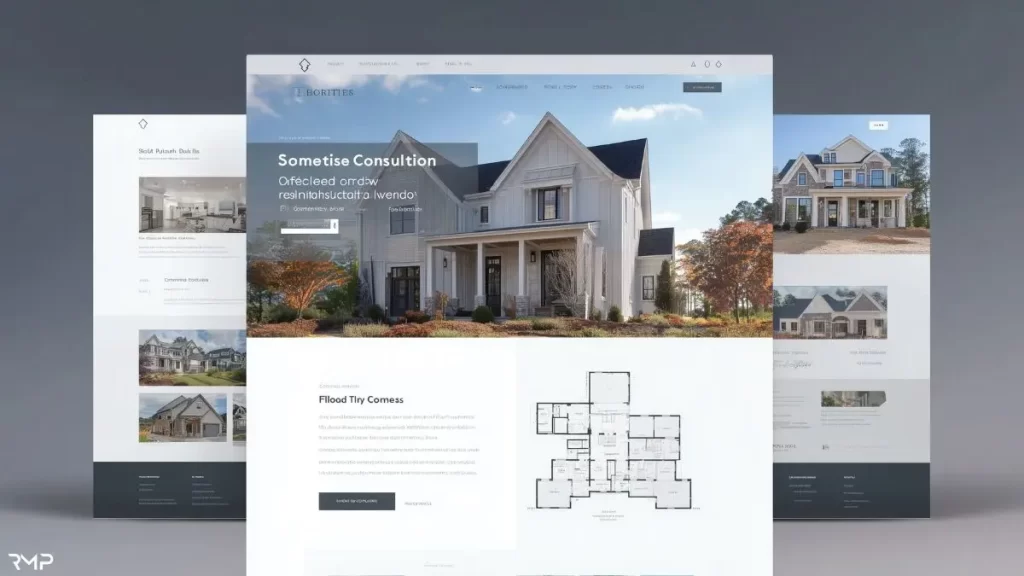
A website is the central hub of any home builder’s marketing strategy. It functions as a digital sales office where buyers explore floor plans, compare communities, and request consultations. A poorly designed site can discourage leads, while a well-structured site builds credibility and drives conversions.

Why Your Website Matters More Than Ever
Buyers spend a significant amount of time researching online before contacting a sales representative. If the website fails to load quickly, lacks clear navigation, or does not present communities effectively, visitors are likely to move on to a competitor.
A high-performing site is more than a digital brochure—it is an active lead generation tool that works 24/7.
Core Features of an Effective Builder Website
Mobile optimization: Over 60% of real estate-related searches come from mobile devices. Pages must be responsive and load within three seconds.
Community and floor plan pages: Each development should have dedicated pages with photos, lot maps, downloadable brochures, and virtual tours.
Strong calls-to-action (CTAs): Buttons such as “Schedule a Tour,” “Request Pricing,” or “Download Floor Plans” help convert interest into action.
Trust signals: Display certifications, customer testimonials, financing partners, and warranty information to reduce hesitation.
Analytics integration: Tracking tools like Google Analytics and heatmaps reveal how buyers navigate the site and where improvements are needed.
SEO-Friendly Website Design
Websites designed with search engines in mind perform significantly better. This includes:
- Clean URL structures (e.g., /custom-homes-dallas-tx/)
- Optimized meta titles and descriptions
- Schema markup for local business and new home communities
- Internal linking between floor plan pages, blog articles, and contact forms
When built correctly, the website becomes both a showcase of craftsmanship and a measurable driver of leads.
Recommended: Boost Your Real Estate Site with Proven SEO Tactics
SEO for Home Builders – Ranking Where Buyers Search
Search engine optimization (SEO) ensures home builders appear when potential buyers type queries such as “best new construction homes near me” or “custom home builders in [city].” Unlike paid ads, SEO delivers long-term visibility that compounds over time.
Local SEO for Builders
Most buyers search for builders within a specific geographic area. Local SEO strategies help companies dominate in their target markets.
Key tactics include:
- Google Business Profile optimization: Accurate business name, address, phone number, service areas, photos, and regular updates.
- Local citations: Consistent listings on directories such as Houzz, Angi, and Yelp.
- Customer reviews: Positive Google and Facebook reviews increase local search rankings and build trust.
- Google Maps 3-Pack ranking: Appearing in the top map results drastically improves visibility.
On-Page SEO Best Practices
Effective on-page SEO aligns each page with buyer intent. Examples include:
- Using keywords like home builder SEO, new home marketing strategies, or construction company marketing strategy naturally in headings and body content.
- Writing meta descriptions with local keywords and clear calls to action.
- Creating city-specific service pages: “Luxury Home Builders in Scottsdale, AZ”.
- Structuring content with H2 and H3 headings that answer buyer questions directly.
Off-Page SEO and Backlink Building
Authority is gained through links from relevant and reputable sources. For home builders, this can involve:
- Guest articles on real estate investment blogs or architecture sites
- Partnerships with local chambers of commerce or business directories
- Digital PR around new community launches or award wins
Why SEO Matters for Builders
SEO reduces dependency on paid advertising and establishes a steady pipeline of qualified leads. A well-optimized site continues generating traffic months or even years after initial investment, making it one of the most cost-effective marketing channels available.
Content Marketing for Builders – Educate & Engage Buyers
Content plays a critical role in building trust during the long decision cycle of new home construction. Since buyers may take 6–18 months to commit, consistent and valuable content helps maintain engagement and keeps the builder top-of-mind.
Types of Content That Drive Results
Educational Blog Posts
Blogs answer common buyer questions and improve search visibility. Examples include:
- “10 Things to Know Before Building a Custom Home”
- “Average Timeline for New Construction Homes”
- “How Energy-Efficient Homes Reduce Monthly Costs”
Blogs not only rank in search engines but also position the builder as an authority in their field.
Video Marketing
Video is one of the most powerful tools for builders. Options include:
- Model home tours showcasing finishes and layouts
- Client testimonial videos that build trust
- Behind-the-scenes construction progress clips
- Community overview videos highlighting amenities and location benefits
According to Wyzowl’s, 91% of businesses use video as a marketing tool, and 89% say it provides positive ROI.
Lead Magnets and Downloadable Resources
High-value downloads encourage prospects to share their contact information. Examples include:
- Homebuyer guides explaining financing and timelines
- Floor plan catalogs
- New community brochures
- Cost calculators for estimating construction expenses
Email Marketing Sequences
Email remains a cost-effective channel for nurturing leads. Builders can send:
- Updates on new communities or lot releases
- Invitations to open houses and model home events
- Seasonal tips for homeownership
- Educational content reinforcing brand credibility
Content SEO and Distribution
Creating content is not enough—it must be optimized and distributed. This includes adding FAQ schema to answer common questions directly in search results, sharing blogs and videos across social media channels, and repurposing content into multiple formats to reach broader audiences.
Why Content Matters in Home Builder Marketing
Content bridges the gap between initial awareness and final purchase decision. Unlike ads, which stop generating leads once the budget ends, content continues working long-term. A consistent content strategy improves SEO, builds trust, and ensures buyers think of the builder when they are ready to make a purchase.
Social Media Marketing for Home Builders
Social media has become a primary channel for buyers to discover, evaluate, and connect with builders. Platforms like Instagram, Facebook, TikTok, and YouTube allow home builders to showcase projects visually and tell compelling brand stories. With over 70% of adults in the U.S. using social platforms daily, a strong social presence is no longer optional.

Choosing the Right Platforms
Not every platform is equally effective for builders. Each has strengths:
Instagram: Ideal for visual storytelling, design showcases, and Reels of model homes or progress updates.
Facebook: Effective for local community engagement, event promotion, and targeted advertising.
TikTok: Growing among younger buyers, perfect for short, engaging videos like “before-and-after” transformations or quick walkthroughs.
YouTube: Best for long-form content such as community overviews, detailed home tours, and client testimonial videos.
LinkedIn: Useful for B2B networking, especially if the builder also works with developers, investors, or commercial projects.
Content Strategies That Engage Buyers
Successful builders use social to create connection, not just promotion. Examples include:
- Progress updates on current construction projects.
- Lifestyle-focused posts showing families in completed homes.
- Behind-the-scenes stories featuring the building team.
- Educational posts answering questions about timelines, financing, or design trends.
Building Trust Through Consistency
Buyers view consistency as a reflection of reliability. Posting schedules, brand-aligned visuals, and a unified tone across platforms help establish professionalism. Consistency also signals to algorithms that the account is active, improving visibility in feeds.
Paid Advertising for Home Builders (PPC & Social Ads)
While SEO and content generate long-term results, paid advertising accelerates visibility. Home builders can use pay-per-click (PPC) and social ads to target buyers actively searching for new homes or researching communities online.
Google Ads for Home Builders
Google Ads reach prospects who are already looking for new construction homes. Campaign types include:
- Search campaigns: Target high-intent keywords like “custom home builders near me”.
- Display campaigns: Retarget website visitors with banner ads on real estate and lifestyle sites.
- Local service ads: Verified builder profiles that appear at the top of search results.
Search ads are particularly effective because they capture buyers at the moment of intent.
Facebook and Instagram Advertising
Social platforms allow precise audience targeting based on location, income level, and interests. Common strategies include:
- Carousel ads highlighting floor plans or community amenities.
- Video ads showcasing virtual tours.
- Lead ads with built-in forms that reduce friction for sign-ups.
Because Facebook and Instagram are highly visual, ads with professional photography or well-produced video tend to perform best.
YouTube and TikTok Ads
Video advertising is highly effective for builders because it allows buyers to experience the space virtually. Both platforms allow geographic targeting to focus only on buyers in relevant markets. Short, engaging video ads featuring walkthroughs or lifestyle-focused storytelling work especially well.
Ad Budget and ROI Tracking
Effective paid advertising requires clear budget allocation. Many builders dedicate 5–10% of projected revenue to marketing, with a portion reserved for digital ads. Tracking metrics such as cost per lead, click-through rate, and booked consultations ensures budgets are being invested wisely.
Lead Generation Strategies for Home Builders
Leads are the lifeblood of a home building business. Generating a steady stream of qualified prospects requires combining website optimization, paid campaigns, and nurturing systems.
Top-of-Funnel Lead Capture
The first step is attracting potential buyers and collecting their contact information. Common methods include:
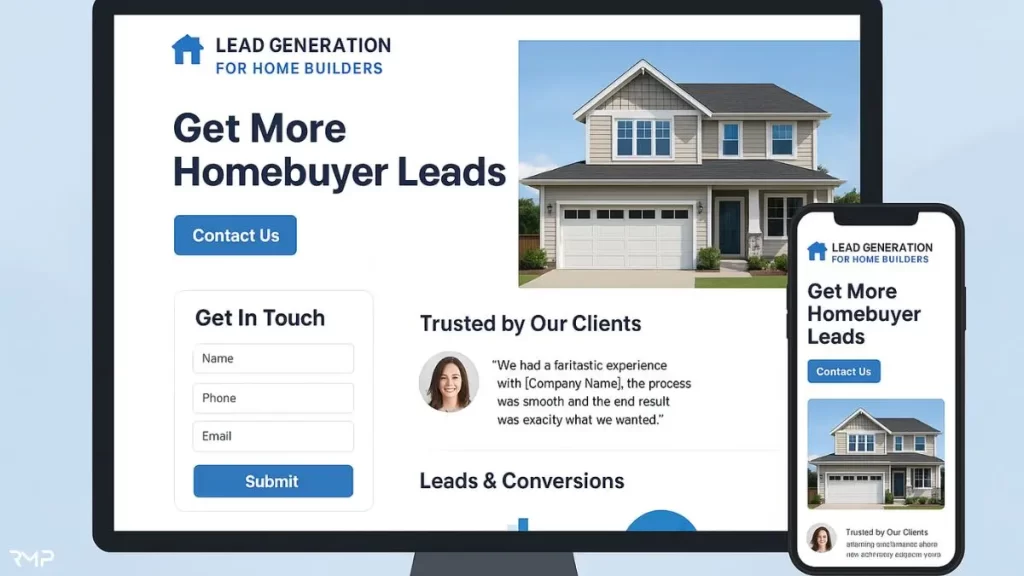
Website forms: Positioned on community pages, floor plan downloads, or consultation requests.
Home valuation and cost calculators: Interactive tools that provide instant estimates in exchange for buyer details.
Open house or model home event registrations: Digital RSVP forms promoted through email and social ads.
Nurturing Leads Through Automation
Not every lead is ready to buy immediately. Automated follow-up ensures no opportunity is lost:
Email sequences: Provide educational resources, financing tips, and updates on available lots.
CRM systems: Platforms like Follow Up Boss, HubSpot, or kvCORE track lead behavior and automate reminders for sales teams.
Personalized content: Segmented lists ensure first-time buyers, investors, or luxury clients receive tailored communication.
Conversion Optimization Tactics
Once leads are engaged, the goal is to convert them into appointments and sales. Key tactics include:
Above-the-fold CTAs: Clear, visible buttons on every page encouraging tours or consultations.
Chatbots: Offering instant answers to questions about pricing, availability, or floor plans.
Exit-intent popups: Capturing attention with downloadable guides or special offers before a visitor leaves the site.
Why Lead Generation Matters for Growth
A builder may have strong branding, an optimized website, and engaging content—but without consistent lead flow, sales pipelines dry up. A comprehensive lead generation system ensures builders always have qualified buyers moving through the funnel, from awareness to contract signing.
Don’t just plan—execute. Try our AI-powered Real Estate Marketing Plan Generator and get a 90-day action plan with proven tactics tailored to home builders.
Outsourcing vs. In-House Marketing – What’s Right for Builders?
Marketing is essential for builders, but deciding whether to manage it internally or outsource to a specialized agency depends on resources, expertise, and growth goals. Both options have strengths and limitations, and many builders adopt a hybrid model to balance control with efficiency.
Advantages of In-House Marketing
An internal marketing team provides closer alignment with company culture and sales goals. In-house staff often have better knowledge of the builder’s communities, pricing models, and buyer preferences. This allows them to create campaigns that feel authentic and consistent with the brand’s identity.
However, smaller teams may lack the technical skills required for advanced tactics such as search engine optimization, paid advertising management, or marketing automation. They may also struggle to keep up with fast-changing digital trends without ongoing training.
Advantages of Outsourcing to an Agency
Agencies bring specialized knowledge, tools, and strategies that can accelerate results. For example, an experienced real estate marketing agency already understands how to optimize a home builder’s website for search, manage targeted ad campaigns, and produce professional creative assets.
Outsourcing also provides scalability. Builders can increase or decrease marketing investment as sales pipelines shift, without the fixed costs of additional staff salaries and benefits. For growing builders with limited internal resources, this flexibility is often more cost-effective.
Hybrid Marketing Models
Many mid-sized builders adopt a hybrid structure. Internal staff handle day-to-day brand communication and content creation, while an external agency manages technical areas such as SEO, PPC, and analytics. This model balances internal control with specialized expertise, providing strong results without overextending internal teams.
Key Considerations for Builders
The right choice depends on:
- Budget: Agencies may cost more initially but often deliver a higher return on investment.
- Expertise: Complex areas like paid search or local SEO usually require outside help.
- Time: Sales teams need to focus on clients; outsourcing prevents marketing from becoming a distraction.
- Scalability: Agencies allow quick expansion into new markets without hiring additional staff.
Builders should evaluate marketing as an investment rather than an expense, selecting the model that aligns with their long-term growth objectives.
Conclusion
A modern home builder marketing strategy is no longer limited to brochures and signage. Buyers now expect builders to provide digital experiences that are fast, transparent, and engaging. From website design and SEO to content, social media, and paid advertising, every channel plays a role in guiding buyers from discovery to decision.
Builders who invest in branding and online visibility benefit from higher-quality leads, shorter sales cycles, and stronger brand recognition. While in-house teams can manage certain aspects, agencies often provide the advanced expertise needed to compete effectively in local markets.
The next step for many builders is creating a structured plan that combines foundational elements—such as an optimized website and strong SEO—with scalable tactics like content marketing, paid ads, and lead nurturing systems. Together, these strategies form a complete marketing framework that supports consistent growth.
A comprehensive digital marketing approach ensures that when buyers search for their next home, your company is not just visible—it is the builder they trust to deliver.