
How to Write Real Estate Listing Descriptions That Increase Sales
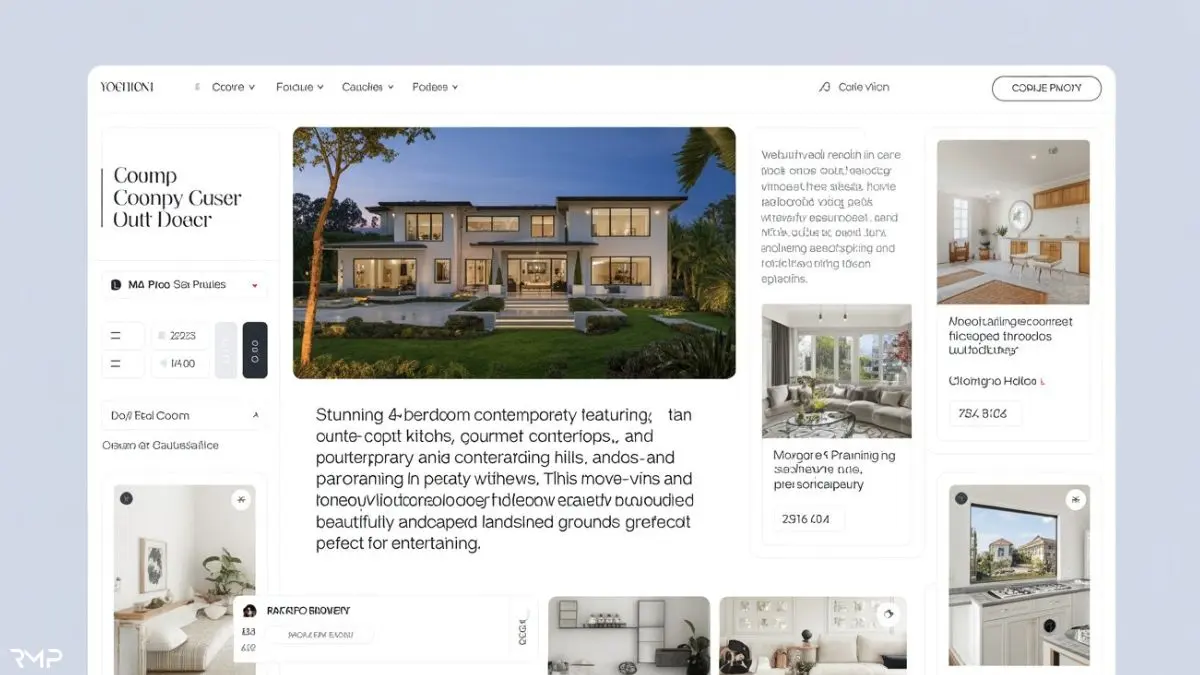
Real estate listing descriptions influence how many buyers click, schedule a tour, and make an offer. Photos capture attention, but the written description shapes how buyers interpret the property. Strong copy provides clarity, highlights value, and creates interest within the first few seconds of reading.
Many agents lose potential buyers because the description feels generic or fails to communicate the lifestyle the home offers. A clear structure, descriptive language, and buyer-focused messaging help a property stand out on crowded listing platforms. The goal is to present features, benefits, and context in a way that guides buyers toward action.
This guide explains what makes a listing description effective and how to write copy that improves engagement, increases showings, and supports higher-quality offers.
Quick Checklist for Writing a Listing Description That Sells
A focused checklist ensures each listing includes the details buyers expect and a structure that improves engagement.
Key Elements to Include
- Headline with property type, location, and a standout feature
- Opening sentence that highlights the strongest selling point
- Short paragraphs presenting top features before secondary details
- Feature-to-benefit explanations
- Specific references to materials, upgrades, and functional improvements
- Neighborhood details such as parks, schools, and amenities
- Accurate, fair housing–compliant information
- Clear descriptions that match photos and the floor plan
- Closing section summarizing key strengths
- Direct call to action guiding buyers to schedule a tour or request details
Structure and Readability
- Short, clear sentences
- Logical flow and consistent formatting
- Precise wording instead of vague adjectives
- Clean layout without cluttered paragraphs
SEO and Visibility
- Relevant keywords placed naturally in the headline and opening lines
- Hyperlocal references that support location relevance
- Descriptive phrasing that improves search understanding
This checklist helps maintain consistent, high-quality copy that communicates value clearly and encourages buyer action.
What Makes a Real Estate Listing Description Sell
Real estate buyers rely on listing descriptions to confirm details, evaluate the home’s condition, and picture how they might use the space. A strong description supports what the photos show and fills in gaps that visuals cannot communicate.
What Buyers Look For in a Listing Description
Buyers pay attention to clarity, accuracy, and value. A description that answers common questions helps reduce hesitation and builds trust.
Key elements buyers expect include:
- Clear explanation of the home’s layout
- Notable upgrades such as new HVAC systems, renovated kitchens, or energy-efficient windows
- Practical facts like storage options, parking, and outdoor space
- Neighborhood context and lifestyle benefits
Precise wording helps buyers quickly determine whether the home aligns with their needs.
The Role of Storytelling and Buyer Connection
A property description that turns features into lifestyle benefits keeps readers engaged. A sentence that explains how morning light fills the living room, or how the backyard supports weekend gatherings, adds meaning that plain feature lists cannot provide.
A clear narrative helps buyers understand how the home functions day-to-day. A description that outlines both features and use-cases helps generate more showings compared to a purely factual note.
Matching the Message to Buyer Intent
Different buyer segments respond to different details.
- Family buyers often focus on yard size, school districts, and storage.
- Luxury buyers care about premium materials, brand-name appliances, and architectural design.
- First-time buyers want low-maintenance finishes and move-in readiness.
- Investors evaluate rental potential, durability of materials, and the strength of the location.
A description that reflects the priorities of the intended buyer helps the home stand out in a competitive market.
Presenting Value Without Overstatement
Accurate descriptions build confidence. Exaggerated claims reduce trust and may lead to disappointment during showings. Buyers notice when wording aligns with the photographs and floor plan. A balanced approach strengthens credibility and supports smoother negotiations.
Listing descriptions that sell combine clarity, descriptive detail, lifestyle benefits, and buyer-focused insights. This combination helps the property compete effectively and encourages buyers to take the next step.
Step-by-Step Guide for Writing High-Converting Real Estate Listing Descriptions
A clear process helps produce listing descriptions that attract qualified buyers and increase engagement. Each step builds on the previous one to shape a description that balances detail, storytelling, and accuracy.

Step 1 – Create a Clear, Compelling Headline
A headline influences whether a buyer clicks on the listing. It should communicate the property type, location, and a standout feature in fewer than 12–14 words.
Effective headlines focus on clarity, not exaggeration.
Qualities of a Strong Headline
- Includes the neighborhood or area
- States the home type (condo, townhome, single-family residence)
- Highlights a top selling feature such as a renovated kitchen, large lot, or views
- Uses simple, descriptive language
Examples of Strong vs. Weak Headlines
| Weak Headline | Strong Headline |
| “Beautiful Home for Sale” | “Updated Three-Bedroom Home Near Lakewood Park” |
| “Great Condo in the City” | “Modern Downtown Condo with Floor-to-Ceiling Windows” |
Specific language attracts qualified buyers and reduces low-intent clicks.
Step 2 – Use a Strong Opening Sentence to Capture Interest
The first sentence sets the tone and determines whether the reader continues scanning the description. A clear opening identifies the property’s main selling point. A home with a renovated kitchen, a large primary suite, or a well-designed outdoor space should lead with that advantage.
A direct opening such as “This renovated kitchen features quartz countertops and new stainless appliances” gives buyers a concrete reason to keep reading. Short sentences improve readability and support fast decision-making on mobile devices.
Step 3 – Highlight the Most Important Features First
A property often has dozens of characteristics, but only a small number influence buyer motivation. Leading with the top features creates a logical flow and ensures that key selling points are not overlooked.
Focus on Meaningful Upgrades and Improvements
Buyers respond to recent upgrades because they reduce future expenses and improve functionality. A new roof, updated HVAC system, smart lighting, or refreshed flooring adds measurable value.
Explain the Benefit of Each Feature
A feature alone provides limited context. A benefit delivers purpose. For example, “new energy-efficient windows” becomes more impactful when paired with “help reduce heating and cooling costs.”
Keep Details Organized
Short paragraphs keep buyers engaged and improve the way listing platforms display text. A clear structure helps the reader process details quickly.
Step 4 – Showcase Lifestyle and Neighborhood Advantages
Buyers evaluate more than the home itself. They also consider the convenience, community, and experience surrounding it. A well-written description explains how the location supports everyday life.
Describe Nearby Amenities
Proximity to grocery stores, parks, medical centers, and transit increases appeal. Naming recognized local amenities strengthens credibility and helps out-of-area buyers understand the location.
Highlight Community Characteristics
Details such as quiet streets, walkable areas, or access to recreation add value. A community with access to a trail system or reputable schools supports long-term stability and quality of life.
Help Buyers Picture Their Routine
Clear examples—such as easy access to major highways or short commutes to employment centers—help buyers imagine how the property fits into their daily schedule.
Step 5 – Include Essential Supporting Details
A complete description balances emotional appeal with practical information. Buyers need specific details to determine whether the property suits their needs.
Core Property Specifications
Square footage, bedroom count, bathroom layout, and lot size provide foundational information. A buyer uses these details to compare the property to others in the same price range.
Additional Features that Add Functional Value
Storage areas, parking options, laundry setups, basements, attics, and outdoor spaces all influence purchasing decisions. Homes with flexible spaces, such as finished basements or converted lofts, attract buyers who need multipurpose areas.
Transparency About HOA or Maintenance Requirements
Information about homeowner association fees, community rules, or included services helps set clear expectations.
Step 6 – Write a Strong Closing Section and Clear Call to Action
A closing paragraph reinforces the value of the property. The final lines should summarize the home’s benefits and encourage buyers to continue to the next step.
A clear call to action might direct buyers to schedule a tour, confirm open house details, or contact the agent for additional information. The goal involves guiding the buyer to take immediate action while the property remains top of mind.
Step 7 – Review for Accuracy, Consistency, and Compliance
A polished description avoids errors, exaggeration, and restricted language. Consistent phrasing supports trust, and adherence to fair housing guidelines ensures compliance.
Proofreading helps eliminate unclear statements and ensures that all details match photos and public records. A well-reviewed description strengthens professional credibility and reduces buyer confusion during showings.
A high-converting listing description results from intentional organization, clear wording, and a focus on buyer needs. This structured process helps agents create stronger listings that attract attention and support better outcomes.
Recommended Read: How to Write Property Descriptions with ChatGPT
Best Practices for Writing Real Estate Listing Descriptions That Convert
Effective listing descriptions follow patterns that consistently attract buyers. These practices improve clarity, support stronger engagement, and help buyers understand the value of the property. Strong descriptions balance factual detail with language that highlights lifestyle benefits.
Use Clear, Descriptive, and Sensory Words
Precise wording helps buyers picture each space. Terms that describe light, scale, and finishes add depth. A phrase such as “sunlit living room with wide-plank hardwood floors” creates a stronger impression than “nice living room.” Sensory details help communicate how the home feels and how the space functions.
Avoid vague adjectives. Specific references to materials, colors, or textures provide more insight and support a buyer’s decision-making process.
Convert Features into Benefits
Features matter, but buyers respond to the advantages those features offer. A description that explains why a feature improves comfort or convenience has a greater impact.
A statement such as “the upgraded insulation helps regulate indoor temperatures throughout the year” shows how a feature improves daily living. A list of features without context feels incomplete. Buyers want clarity about how the property supports routine activities, storage needs, and long-term maintenance.
Use Power Words and Catchy Phrases with Purpose
Words such as bright, airy, spacious, modern, and turnkey communicate qualities buyers seek. These terms help create an image, but they must align with the photos and property condition. Overuse of dramatic adjectives weakens credibility, while carefully placed descriptive terms strengthen clarity.
A balanced description avoids clichés and relies on specific phrasing to convey character. Describing a kitchen as “equipped with soft-close cabinetry and a large central island for meal preparation” communicates more value than simply calling it “gorgeous.”
Maintain Accuracy and Avoid Exaggeration
Accurate descriptions build trust and protect the seller from unrealistic expectations. The wording should match the photographs and floor plan. A home that appears smaller in person, or lacks the upgrades claimed, may lead to negative impressions during showings.
Compliance matters. Fair housing guidelines restrict language that references protected classes, family status, and other sensitive characteristics. Descriptions should focus on the property, not the type of buyer.
Prioritize Formatting and Readability
Buyers often scroll quickly. A clear structure helps them process essential details without feeling overwhelmed. Short paragraphs, consistent spacing, and logical sequencing improve readability. Sentences should remain concise, and unnecessary words should be removed.
Readable descriptions help buyers understand the home’s layout, see the value of improvements, and form a connection to the property. The format should support the message and allow the key points to stand out.
Ensure the Wording Complements the Photos
Descriptions that support what buyers see create confidence. If a room appears small, it should not be described as oversized. If the kitchen includes mid-range appliances, the copy should reflect that level of quality.
Consistency between copy and visuals increases trust and reduces friction during follow-up conversations. Buyers use both mediums together, and alignment improves their understanding of the home’s condition.
Keep the Tone Professional and Accessible
A listing description should reflect the agent’s expertise and the property’s value. A professional tone that remains friendly and easy to read supports a positive experience. Overly technical wording may confuse buyers, while overly casual phrasing may diminish the property’s appeal.
Clear language helps buyers from different backgrounds understand the property without effort. This approach widens the potential audience and supports stronger overall engagement.
Strong listing descriptions follow these practices to deliver clarity, accuracy, and emotional connection. This balance helps attract more qualified buyers and increases the likelihood of a successful showing and offer.
Related Read: How to Write a Real Estate Agent Bio That Wins Clients
SEO Tips for Writing Real Estate Listing Descriptions
Search visibility influences how many buyers discover a property online. Strong SEO helps a listing appear in more search results on both real estate platforms and search engines. The goal involves using keywords, structure, and local detail in a natural way that enhances clarity rather than disrupting the flow of the description.
Identify the Right Keywords for the Property
Keyword selection should match what buyers typically search for when looking for a home. These terms often include the property type, location, and defining features.
A three-bedroom home in a suburban neighborhood benefits from keywords such as “3-bedroom home,” “suburban property,” or “single-family home in Riverview.” A downtown condo may require terms such as “city condo,” “high-rise unit,” or “condo with balcony.”
Keywords work best when they reflect the facts of the property. Overly broad or unrelated terms reduce relevance.
Place Keywords Where They Create the Most Impact
Search engines and listing platforms scan key areas to understand the content. The headline, opening sentence, and early paragraphs hold the most weight. Including location terms and property identifiers in these areas supports stronger indexing.
A description that begins with a reference to the neighborhood and the property type improves clarity for buyers and improves search matching. Keywords should appear naturally without repetition.
Add Hyperlocal Information to Increase Relevance
Local SEO helps buyers understand the precise benefits of the location. References to nearby parks, shopping centers, transit stops, and recognized school districts increase relevance for both search engines and readers.
A study from the National Association of Realtors reported that 53% of buyers considered neighborhood quality a major factor in their decision. Including specific local details also helps out-of-town buyers understand the area without further research.
Hyperlocal references provide context and signal to search platforms that the listing fits geographic intent.
Use Structured Phrasing for Features
Search algorithms understand clean, descriptive sentences better than fragmented statements. A line such as “This home includes a renovated bathroom with stone-tile flooring and a walk-in shower” provides context and keyword-rich detail.
Phrasing that communicates features and materials helps strengthen relevance. Clarity improves both the buyer experience and the listing’s visibility.
Optimize Image Descriptions When Possible
Platforms that allow image alt text provide an additional SEO opportunity. A line such as “modern kitchen with quartz countertops” or “spacious backyard with mature landscaping” improves accessibility and supports search visibility.
Descriptions should remain factual and consistent with the photos.
Avoid Keyword Stuffing
Repeated keywords weaken readability and may reduce trust. Buyers notice when wording sounds forced. The goal involves creating a natural flow where keywords support, rather than dominate, the description.
A smooth reading experience encourages buyers to stay longer on the page. Longer engagement time often correlates with improved visibility.
Keep the Structure Aligned With Buyer Search Behavior
Buyers often scan listings for confirmation of key features such as updated systems, square footage, parking, and outdoor areas. Organizing the description in a logical order mirrors common search intent and improves how platforms interpret the content.
A direct flow from headline to opening hook, key features, lifestyle details, and essential information supports both SEO and user experience.
Thoughtful keyword placement, structured formatting, and hyperlocal context help a listing perform better across search platforms. These SEO practices strengthen the reach of the property and help it compete effectively in crowded markets.
Read also: How to Get Real Estate Listings as a New Agent
Examples of High-Quality Real Estate Listing Descriptions
Examples help clarify how structure, tone, and detail work together to create strong listing copy. Each sample below follows the principles covered earlier: clear wording, feature-to-benefit phrasing, and a buyer-focused approach. These examples can be adapted to different property types and markets.
Example 1 – Single-Family Home
This three-bedroom home combines practical updates with comfortable living spaces. The main level includes a living room with large windows that bring in natural light and hardwood floors that add warmth. The kitchen features quartz countertops, a central island, and stainless appliances that support everyday cooking.
The primary suite includes a walk-in closet and a private bathroom with a double vanity and updated tile. Two additional bedrooms offer flexibility for guests or home office use. A fenced backyard with a patio provides space for outdoor dining and weekend activities.
Located near Ridgeview Park and local shopping, the home offers convenience and a balanced lifestyle.
Example 2 – Condo or Townhome
This two-bedroom condo sits in a well-maintained community close to transit, grocery stores, and neighborhood cafes. The open-concept layout connects the living room, dining area, and kitchen, creating a central gathering space. A private balcony extends the living area and provides room for seating.
The kitchen includes modern cabinetry, stone countertops, and energy-efficient appliances. The primary bedroom features a full ensuite bathroom, while the second bedroom works well for guests or an office. In-unit laundry and designated parking add everyday convenience.
Residents have access to a fitness center, community lounge, and secure entry.
Example 3 – Luxury Property
This waterfront residence combines high-end design with panoramic views. Floor-to-ceiling windows in the main living area overlook the shoreline and fill the space with natural light. Wide-plank oak flooring, custom cabinetry, and designer fixtures contribute to a refined aesthetic.
The chef’s kitchen includes a professional-grade gas range, integrated refrigeration, and a large island with seating. The primary suite offers a private terrace, a spacious walk-in closet, and a spa-style bathroom with a freestanding tub and marble finishes.
The outdoor area features a heated pool, covered lounge, and direct access to walking paths along the water. Privacy, quality materials, and thoughtful design define this property.
Example 4 – Investment or Short-Term Rental
This turnkey duplex provides strong rental potential in a growing neighborhood. Each unit includes two bedrooms, one bathroom, an updated kitchen, and in-unit laundry. Durable flooring and recently replaced mechanical systems support long-term reliability.
Both units have stable rental histories, and the location offers quick access to major employers, public transportation, and local restaurants. Outdoor space includes a shared patio and off-street parking.
The combination of modern updates and consistent demand makes this property well-suited for investors seeking predictable income.
Example 5 – Before-and-After Rewrite
The following table shows how a weak description becomes more effective when the wording is specific, organized, and benefit-driven.
| Version | Listing Description |
| Before | “Nice home in a good area. Has a big kitchen, large yard, and updated features. Close to things. Must see to appreciate.” |
| After | “This three-bedroom home offers a functional layout with a spacious kitchen that includes quartz countertops, updated cabinetry, and a central island for meal preparation. Large windows brighten the living room and highlight the hardwood floors. The fenced backyard provides space for gardening, outdoor dining, and weekend activities. Located two blocks from Maplewood Park and within minutes of shopping and dining options, the home combines comfort with convenience.” |
These examples demonstrate how clear structure, detailed features, and lifestyle-focused language help buyers understand the value of a property. Strong descriptions highlight what makes each home distinctive and encourage buyers to take the next step.
Frequently Asked Questions (FAQ)
What should be included in a real estate listing description?
A real estate listing description should include the property type, layout, top upgrades, standout features, and neighborhood context. Buyers expect details on square footage, bedroom and bathroom count, storage areas, parking options, and outdoor space. Clear references to recent improvements, materials, and functionality help buyers understand the home’s value. A short closing section with a call to action guides readers to schedule a tour or request more information.
How do you write a listing description that sells?
A listing that sells uses clear wording, specific features, and benefit-focused phrasing. A strong opening highlights the most important selling point, followed by organized paragraphs that explain upgrades and lifestyle advantages. Accurate details and a professional tone help build trust. A description that shows how the home supports daily living encourages buyers to take the next step.
How long should a real estate listing description be?
A typical real estate listing description ranges from 150 to 300 words. This length provides enough room to explain features and benefits without overwhelming readers. A concise format works well for mobile users, who often scan listings quickly. Shorter descriptions may leave out important details, while excessively long descriptions reduce readability.
What are the best words to use in a property listing?
Buyers respond well to clear and descriptive terms such as bright, open, updated, modern, and spacious. Phrases that reference materials and finishes, such as stone countertops or hardwood flooring, add clarity. Words that describe functionality—such as storage, flexible space, or energy-efficient—help buyers understand long-term value. Wording must remain accurate and match the photos.
What should you not say in a real estate listing?
A real estate listing should avoid language that violates fair housing guidelines or references protected characteristics. Exaggerated claims, vague adjectives, and phrases that oversell the property may create unrealistic expectations. Words that suggest defects, such as fixer or as-is, may reduce interest unless the target audience specifically seeks renovation projects.
How do you make a property listing more appealing?
A property listing becomes more appealing when the description presents features in a clear order and explains how each one benefits the buyer. References to natural light, storage, outdoor space, and recent upgrades add value. Including neighborhood details helps buyers understand the location. A professional tone and concise formatting support a stronger overall presentation.