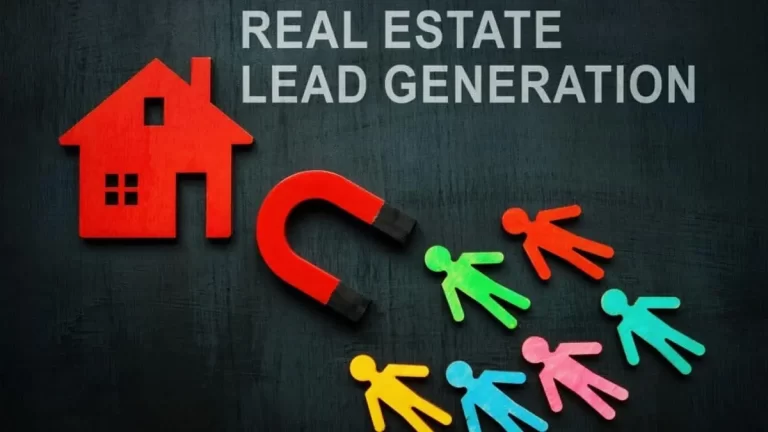
Lead Nurturing for Home Builders: Best Practices to Stay Top

Lead nurturing for home builders is a critical part of converting prospects into homebuyers. Unlike resale transactions, the new construction sales cycle is longer and often involves months of research, planning, and decision-making. Buyers need time to evaluate financing, review floor plans, visit communities, and consider upgrades.
Without a structured approach to nurturing, many of these leads turn cold, wasting valuable marketing spend. A consistent and personalized strategy helps home builders stay top of mind, answer buyer questions at the right time, and guide prospects through each stage of the journey until they are ready to move forward.
Today we explore how home builders can create effective lead nurturing strategies by aligning sales and marketing, using automation, and tailoring content to the buyer’s needs throughout the sales funnel.
Understanding the Home Builder Sales Funnel
The sales funnel for home builders reflects the unique journey buyers take when purchasing new construction. Unlike purchasing an existing home, the process requires more education, reassurance, and consistent communication.
Stages of the Funnel for Home Builders
Awareness
At this stage, potential buyers are just starting their search. They may be comparing renting versus buying, or exploring different builders and communities. Marketing efforts focus on visibility, such as SEO-driven blog posts, social media campaigns, and paid ads highlighting model homes or community amenities.
Consideration
Once buyers show interest, they begin researching financing options, available floor plans, and customization possibilities. This stage requires educational resources, such as downloadable guides, webinars, or video walkthroughs that provide detailed insights into the building process.
Decision
At this point, buyers are closer to making a commitment. They may schedule model home tours, request pricing details, or speak with sales representatives. Nurturing strategies here include follow-up emails, testimonials from past clients, and limited-time offers that encourage action.
Buyer Expectations at Each Stage
- Awareness: Buyers expect easy access to information and clear answers to early questions. Content must establish trust without pushing a hard sell.
- Consideration: Prospects look for detailed comparisons, proof of quality, and reassurance about timelines and costs.
- Decision: Buyers expect fast responses, transparency, and personalized communication that makes them feel confident in their choice.
A well-structured sales funnel ensures that every lead receives the right information at the right time, minimizing lost opportunities and creating a smoother path to conversion.
Best Practices for Lead Nurturing in Home Builder Marketing
Home builders often face long decision cycles, making it essential to stay connected with prospects through structured communication. Effective lead nurturing requires a blend of technology, personalized messaging, and timely follow-ups. The following best practices help ensure that leads remain engaged from the first interaction until contract signing.
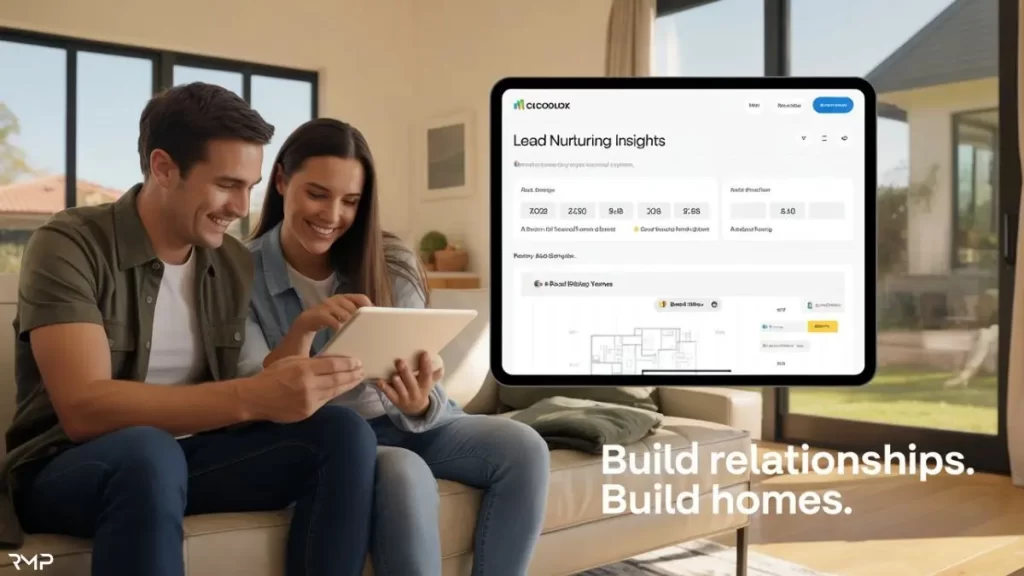
Leverage CRM Systems for Organized Follow-Ups
A Customer Relationship Management (CRM) system is the backbone of any lead nurturing strategy. It enables home builders to track inquiries, segment leads by buyer stage, and automate follow-ups.
- A well-configured CRM allows sales teams to see the full history of interactions, from email opens to model home visits.
- Automated reminders prevent leads from being overlooked.
- Integration with marketing platforms ensures seamless workflows between sales and marketing teams.
For example, a builder using a CRM such as HubSpot or Follow Up Boss can create automated alerts when a lead downloads a floor plan brochure, prompting timely outreach.
Personalize Communication Based on Buyer Needs
Not all buyers are the same. First-time homeowners have different concerns compared to luxury buyers seeking custom finishes. Personalization ensures that communication feels relevant and valuable.
- Use buyer preferences such as budget, location, and timeline to tailor messaging.
- Address specific challenges, like financing for entry-level buyers or energy efficiency for environmentally conscious buyers.
- Segment campaigns so each audience receives content that resonates with their goals.
Personalized emails have been shown to deliver 6x higher transaction rates compared to generic messaging. For home builders, this translates into higher engagement and stronger buyer trust.
Build Multi-Channel Nurture Campaigns
Relying on one channel alone is not enough. Buyers engage with brands through multiple touchpoints, and home builders should be present across them.
Email Campaigns for Home Builders
Email remains a primary tool for nurturing leads. Drip campaigns can deliver consistent value through design updates, community news, and financing tips. Monthly newsletters keep prospects informed without overwhelming them.
SMS Reminders and Invitations
Text messages have open rates above 90%, making them effective for appointment confirmations, open house reminders, and quick check-ins.
Retargeting Ads on Social Platforms
Facebook, Instagram, and Google retargeting ads ensure that buyers who visited a website or engaged with content are reminded of the builder’s offerings. These ads often reduce the cost per lead compared to cold prospecting.
A coordinated multi-channel approach increases visibility and shortens the sales cycle by reinforcing brand presence at different points in the buyer journey.
Create Educational and Value-Driven Content
Education is one of the strongest ways to keep prospects engaged during the long new construction cycle. Buyers want clear, reliable information that helps them feel confident.
- Blog posts covering topics such as “How Long Does It Take to Build a Home?” or “Top 10 Design Trends for New Construction.”
- Video walkthroughs of model homes or behind-the-scenes construction updates that bring transparency to the process.
- Case studies highlighting successful projects and testimonials from satisfied homeowners.
Providing content that answers real buyer questions positions the builder as a trusted advisor rather than a salesperson.
Implement Timely Follow-Up Strategies
Speed is one of the most critical elements of lead nurturing. Research from Zillow indicates that responding within five minutes of an inquiry increases the chance of qualifying a lead by more than 20 times compared to waiting 30 minutes or more.
- Respond to new inquiries within the first day—ideally the first hour.
- Maintain consistent touchpoints, such as weekly check-ins or monthly updates.
- Balance persistence with value by providing helpful insights instead of repetitive reminders.
Timely communication signals professionalism and assures buyers that their questions and concerns will be addressed promptly throughout the building process.
Use Marketing Automation to Stay Consistent
Marketing automation helps home builders scale nurturing efforts without overwhelming sales teams. Automated workflows can deliver targeted messages based on buyer actions.
- Trigger-based emails: when a lead downloads a community brochure or visits a floor plan page multiple times, automation can send tailored follow-up content.
- Drip sequences: automated series of emails that gradually guide leads from awareness to decision.
- Engagement scoring: assigning points to buyer actions to identify the most sales-ready leads.
Automation ensures no lead falls through the cracks while freeing sales representatives to focus on high-value conversations.
Align Sales and Marketing Teams
Lead nurturing succeeds when sales and marketing work in sync. Misalignment often results in wasted opportunities, as marketing generates leads that sales do not follow up with consistently.
- Establish a clear hand-off process between teams, defining when a lead is ready for sales engagement.
- Share performance dashboards so both teams see metrics such as open rates, response times, and conversion rates.
- Maintain consistent messaging to avoid confusing the buyer.
When both teams collaborate, the buyer experience improves, and conversion rates rise significantly. According to LinkedIn’s 2024 State of Sales report, companies with strong sales-marketing alignment achieve up to 36% higher customer retention rates.
Overcoming Common Challenges in Home Builder Lead Nurturing
Even with strong systems in place, many home builders face recurring challenges when nurturing leads. Addressing these issues directly helps improve conversion rates and ensures buyers remain engaged throughout the sales cycle.
Dealing with Long Decision Cycles
New construction purchases often span six months to a year. This extended timeline makes it easy for prospects to lose interest or shift focus.
The solution is consistent, value-driven communication. Builders can keep prospects engaged with monthly newsletters, progress updates on community development, or seasonal promotions. Small touchpoints, such as congratulating a lead on a birthday or sending a financing tip, remind buyers that the builder remains attentive even when they are not ready to commit immediately.
Avoiding Generic, One-Size-Fits-All Messaging
Mass email blasts or generic follow-ups often push leads away. Buyers expect tailored communication that reflects their interests and stage in the journey.
Segmenting leads by factors such as budget, home size, or location allows builders to send relevant messages. For example, a family seeking a four-bedroom home may receive design tips for larger floor plans, while a downsizing buyer could receive content focused on low-maintenance living.
Balancing Automation with Personalization
Marketing automation saves time, but an overreliance on it can make communication feel robotic. Automated sequences should provide consistent touchpoints, but personal outreach is what closes deals.
An effective approach is blending automation with human interaction. For instance, an automated email series might educate a buyer about financing, but a personalized follow-up call from a sales representative can address specific concerns. This balance ensures efficiency without sacrificing authenticity.
Action Plan for Home Builders to Improve Lead Nurturing Today
Improving lead nurturing does not require a complete overhaul. Home builders can begin with small, practical steps that make an immediate impact and gradually build a scalable system.
Step 1: Audit the Current Lead Follow-Up Process
Review how inquiries are currently handled. Identify gaps such as missed calls, delayed responses, or lack of follow-up after model home visits. Documenting these issues creates a clear starting point for improvements.
Step 2: Map the Buyer Journey and Assign Content
Outline the awareness, consideration, and decision stages. Assign specific resources to each stage—for example, blog posts for awareness, financing guides for consideration, and testimonials for decision. This ensures buyers always receive the right content at the right time.
Step 3: Set Up CRM and Automation Workflows
Adopt a CRM designed for real estate or home building. Use automation to send follow-ups after brochure downloads, schedule reminders for sales calls, and tag leads based on their level of engagement.
Step 4: Train Sales Teams for Consistency
Provide training to ensure sales representatives follow the same communication standards. Scripts for phone calls, email templates, and response time goals keep messaging consistent across the team.
Step 5: Monitor and Refine Using Analytics
Track open rates, click-through rates, and conversion data from nurturing campaigns. Use this information to refine subject lines, adjust follow-up frequency, and prioritize the channels delivering the highest engagement.
Implementing this five-step plan helps home builders strengthen relationships with prospects, reduce lead attrition, and increase the likelihood of closing contracts in competitive markets.
Conclusion
Lead nurturing for home builders is not just about staying in touch—it is about guiding buyers through a long and complex decision-making process with the right information at the right time. A structured approach that combines CRM systems, personalized communication, timely follow-ups, and automation ensures that no prospect is overlooked.
Builders who align sales and marketing teams, provide educational content, and adapt to buyer needs are more likely to keep leads engaged until they are ready to purchase. Addressing common challenges, such as long decision cycles and impersonal messaging, creates stronger relationships and higher conversion rates.
With a clear action plan in place, home builders can improve how they manage leads today and establish a scalable system that drives consistent sales growth over the long term.
Recommended For You: 37 Real Estate Email Templates That Increase Open Rates