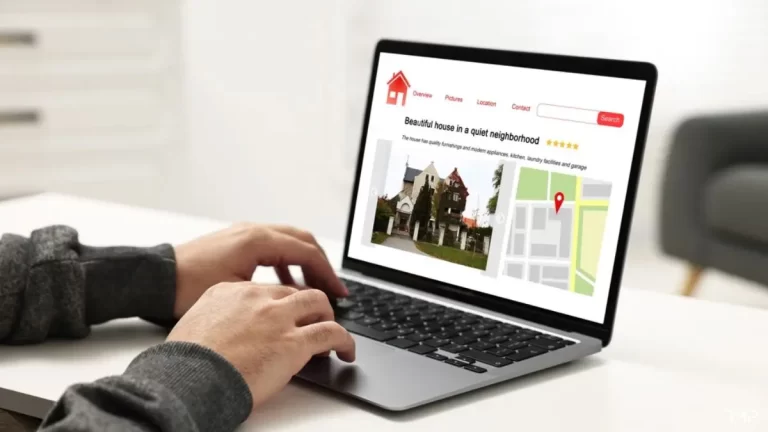
Mobile Optimization for Real Estate Websites: Increase Leads & Rankings

Mobile users now account for the majority of property searches, with prospective buyers and tenants browsing listings, viewing photos, and contacting agents directly from their phones. A real estate website that does not perform well on mobile devices loses visibility, credibility, and qualified leads. Mobile optimization is no longer just a design choice—it is a core factor in search rankings and user engagement.
Realty Marketing Pro (RMP) has observed a consistent pattern: agents with mobile-optimized websites capture more inquiries from buyers who search locally and act quickly. A site that loads slowly, displays cluttered content, or forces users to zoom disrupts the decision process. A streamlined mobile experience supports trust and encourages action, such as scheduling a viewing or requesting more information.
A well-optimized mobile website strengthens both user experience and search performance. Google evaluates mobile usability when ranking real estate websites, especially under mobile-first indexing. Ensuring clarity, speed, and navigability directly affects lead conversion. The following sections define mobile optimization and explain what it means specifically for real estate businesses.
What Is Mobile Optimization for Real Estate?
Mobile optimization in real estate refers to designing and refining a website so it performs seamlessly on smartphones and tablets. This includes how property listings display, how quickly photos load, how easy it is to contact an agent, and how effectively pages adapt to smaller screens. It goes beyond responsive templates by addressing behavior-specific needs of home buyers using mobile devices.
A typical corporate website can rely on simple responsiveness, but real estate platforms must handle listing grids, property filters, mortgage calculators, high-resolution galleries, map integrations, and lead capture forms. Mobile optimization ensures these components function without friction. For example, an IDX or MLS listing must load without forcing users to pinch, scroll excessively, or wait for oversized images.
The goal is to provide a mobile browsing experience that supports quick decisions. Users scrolling through neighborhoods or saved searches need clear navigation, visible contact buttons, and fast property previews. If a buyer cannot easily tap “Request Info” or access directions, the listing loses value. Effective mobile optimization enables a real estate website to operate as a lead-generation tool rather than a static brochure.
Realty Marketing Pro (RMP) applies mobile optimization strategies centered on user behavior—reducing unnecessary clicks, refining touch targets, and compressing listing media. This structured approach helps brokerages and agents compete in local searches and convert mobile traffic into appointments or calls.
How to Optimize Your Real Estate Website for Mobile Users

Mobile optimization requires more than resizing a desktop layout. Real estate websites must support touch navigation, quick property discovery, and effortless lead submission. The following methods focus on core elements that affect user experience, lead conversion, and search visibility.
Responsive and Touch-Friendly Layout
A mobile-optimized real estate website adapts to varied screen sizes without forcing users to zoom or scroll horizontally. Responsive frameworks must support dynamic listing grids, collapsible menus, and easy access to search filters.
Key Layout Considerations
- Readable text and buttons that can be tapped with a thumb, not a mouse.
- Sticky navigation bars for quick access to property search, contact, or saved listings.
- Collapsible menus to avoid clutter and allow users to move between neighborhoods, property types, or blogs with minimal clicks.
Realty Marketing Pro (RMP) uses mobile wireframes designed specifically for property browsing. A layout that prioritizes listing cards, gallery previews, and call-to-action (CTA) buttons keeps users engaged and reduces bounce rates.
Improve Speed and Reduce Image Load Time
Property photos, virtual tours, and floor plans are among the largest data elements on real estate websites. Uncompressed images slow down mobile performance, which affects rankings and user retention.
Speed Enhancement Methods
- Image Compression: Use WebP or JPEG formats with reduced file size.
- Lazy Loading: Load gallery photos only when a user scrolls to them.
- Mobile Caching: Store frequent elements like company logo or icons locally on the device.
If a property page takes longer than three seconds to load, mobile users often abandon the session. RMP incorporates automatic image optimization tools to ensure MLS images load quickly without losing clarity.
Simplify Navigation for MLS and IDX Content
Real estate users expect quick access to search tools, filters, and property categories. Complex navigation leads to abandonment before reaching listings.
Navigation Structures That Work
- Search bar positioned at the top
- Filter icons grouped clearly for price, beds, baths, and location
- Bottom-fixed action buttons such as “Call Agent” or “Schedule Tour”
Users browsing on mobile often view properties while commuting or attending open houses. A clear path from listing discovery to contact action is critical. RMP ensures IDX integrations remain responsive and free of overlapping design elements.
Optimize Lead Capture Elements for Mobile
Mobile visitors are less likely to complete long forms or navigate multiple steps. Lead capture must be designed for quick interaction.
Lead Conversion Essentials
- Tap-to-call buttons displayed above the fold
- Auto-filled contact forms using mobile browser data
- One-click inquiry buttons next to property images
Contact elements should never require zooming or excessive scrolling. RMP integrates lead prompts at logical touchpoints—after viewing photos, scrolling through property details, or saving a favorite listing.
Enhance Readability and Scroll Experience
Large text blocks reduce readability on smaller screens. Scannable content allows users to evaluate listings or services without losing interest.
Readability Practices
- Short paragraphs and clear spacing
- Bullet lists for amenities or service points
- Descriptive headings that match mobile voice search patterns, such as “Homes for Sale Near Me” or “Luxury Condos in Dallas”
RMP structures content to support both buyers skimming listings and search engines interpreting topical relevance.
Ensure IDX and MLS Integration Works Seamlessly on Mobile
Mobile compatibility issues often arise when IDX or MLS widgets are not mobile-optimized. These integrations must adapt without breaking layout or functionality.
Integration Requirements
- Touch-compatible filters and sliders
- Map search compatibility without forced zooming
- Secure data display for listing feeds
MLS photos should load in progressive sequences rather than full resolution at once. RMP audits IDX feeds to prevent script conflicts and maintain performance on devices with slower internet connections.
Implement Mobile SEO and Page Structure
Search engines evaluate mobile site structure when ranking real estate websites. Technical optimization supports faster indexing and better visibility.
Mobile SEO Priorities
- Meta titles with location keywords, e.g., “Mobile Homes for Sale in Miami – Agent Listings”
- Schema markup for properties, agents, and reviews
- XML sitemaps optimized for mobile crawling
Google’s mobile-first indexing reinforces the need for identical content between mobile and desktop. RMP aligns on-page structure with local searches and buyer intent, helping agents appear in map results and neighborhood-specific searches.
Why Mobile Optimization Directly Impacts SEO & Rankings
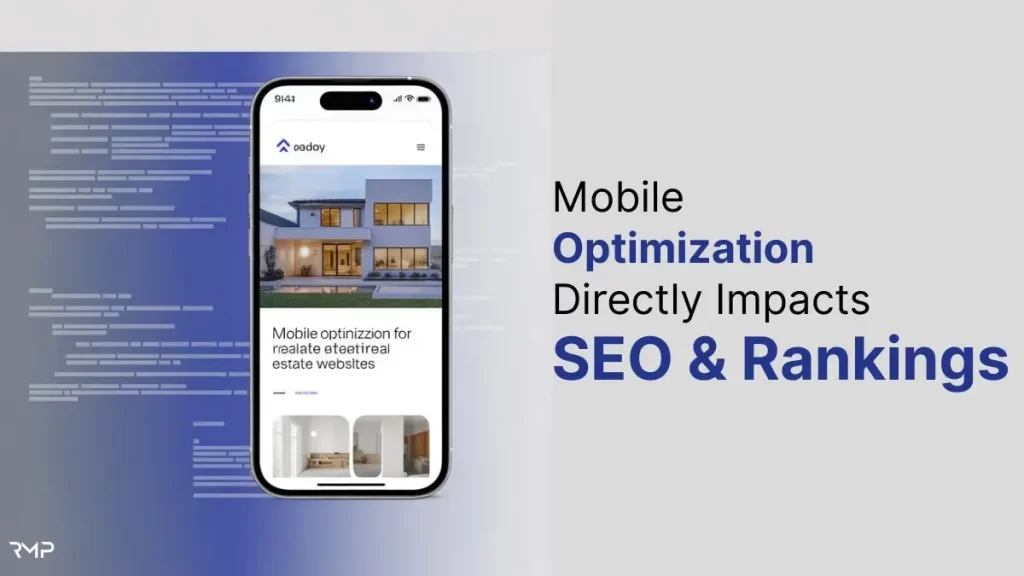
Search engines evaluate how well a website performs on mobile before determining its visibility in search results. Google’s mobile-first indexing means the mobile version of a real estate website is treated as the primary source for ranking signals. If the mobile experience is slow, cluttered, or unresponsive, it reduces search performance—even if the desktop version is well designed.
Mobile-First Indexing and Visibility
Google prioritizes mobile usability when crawling and indexing real estate websites. A page that fails basic mobile standards may not qualify for top listings, map packs, or local search visibility. Real estate searches often include mobile-specific phrases such as “homes near me” or “condos for sale in [city],” which appear predominantly on smartphones.
Websites optimized for mobile receive better positioning in:
- Local pack results
- Property listing keyword searches
- Long-tail voice queries like “show me three-bedroom homes in Austin”
A mobile-responsive structure with stable layout and readable text improves dwell time, which contributes to ranking strength.
Core Web Vitals and User Experience Signals
Core Web Vitals measure real-world user experience using metrics such as Largest Contentful Paint (LCP), First Input Delay (FID), and Cumulative Layout Shift (CLS). These metrics apply heavily to real estate websites due to image-heavy content and interaction elements.
| Metric | Real Estate Impact |
| LCP | Slow loading property images affect first impression |
| FID | Search filters and login delays disrupt navigation |
| CLS | Shifting forms or buttons cause accidental clicks |
A professionally optimized mobile website stabilizes these elements. Realty Marketing Pro (RMP) refines image loading, minimizes layout jumps, and reduces interaction delays to align with Google’s performance thresholds.
Behavioral Signals That Affect Rankings
User behavior is monitored through engagement metrics. High bounce rates, short session duration, and rapid back-clicks from property pages signal dissatisfaction.
Mobile-optimized websites encourage deeper browsing through:
- Fast-loading galleries
- Clear property categorization
- Smooth scrolling through listings
These positive interactions demonstrate relevance and reliability, supporting higher organic rankings.
Common Mistakes Real Estate Websites Make on Mobile
Many real estate websites are built with desktop priorities and adjusted for mobile as an afterthought. This leads to friction that discourages potential buyers or sellers from continuing their search.
Oversized Images and Slow Load Times
Listing pages often feature high-resolution photos that are not compressed. Large files delay loading, especially on mobile networks. Each second of delay reduces engagement and increases bounce probability.
Images should be formatted for mobile using progressive loading and compressed resolutions. Failure to optimize images damages both user experience and SEO performance.
Pop-Ups That Block Listings
Full-screen pop-ups for newsletter sign-ups or lead capture often cover crucial content. When poorly timed or difficult to dismiss, these overlays frustrate users and reduce session duration.
A controlled approach places prompts after user engagement, such as after scrolling through several listings or viewing property details.
Difficult Navigation and Hidden Filters
Navigation menus that require multiple taps or contain small clickable elements discourage property browsing. When essential features like price filters or map views are hidden in nested menus, users abandon the session.
Mobile-friendly navigation must present filters, contact options, and search tools without requiring zoom or repeated scrolling.
Unusable IDX or MLS Integration
IDX and MLS widgets that are not optimized for mobile can produce broken layouts, misaligned images, and malfunctioning filters. Users encountering errors when applying search criteria are less likely to revisit the site.
Optimized integrations must support:
- Touch interaction
- Smooth map controls
- Mobile-compatible sorting tools
Incomplete or Unclear Contact Options
Some websites fail to highlight calls-to-action such as “Schedule a Tour” or “Call Agent.” If a visitor must search for contact information, inquiries decline.
Mobile-friendly real estate sites display click-to-call buttons, instant inquiry forms, and messaging features near listings and property summaries.
Real Results: When Mobile Optimization Works
Mobile optimization produces measurable improvements in engagement and lead flow, especially for real estate professionals targeting local buyers. Agents who transition from desktop-focused designs to mobile-oriented sites often see significant gains in listing views and inquiry rates.
Increased Lead Conversions from Mobile Visitors
A brokerage that partnered with Realty Marketing Pro (RMP) reported a rise in mobile inquiries after restructuring its property pages for faster load speeds and simplified contact buttons. Lead submissions increased by 38% within three months. The primary change involved repositioning “Request Info” and “Call Now” buttons near the top of each property page and compressing gallery images to load in under two seconds.
Longer Session Duration and Reduced Bounce Rates
When image-heavy pages were optimized for progressive loading, users stayed longer on listing galleries and explored additional properties. Bounce rate dropped by 24% as visitors scrolled through multiple neighborhood pages instead of exiting after one listing.
Local Search Improvements
Mobile optimization also influenced ranking in location-based searches. After implementing Core Web Vitals improvements, a real estate team targeting “homes for sale in Scottsdale” moved from the third page of Google results to the first. Faster mobile performance aligned with Google’s mobile-first indexing and contributed directly to wider organic visibility.
These outcomes demonstrate how mobile performance ties directly to business results. Enhanced usability, faster load speed, and intuitive layout lead to greater interaction, signaling relevance to search engines and increasing qualified traffic.
Tools & Tests Every Realtor Should Use
Evaluating mobile readiness requires a combination of performance testing, design assessment, and user feedback. Real estate professionals can apply the following tools to measure and refine mobile performance.
Google PageSpeed Insights
PageSpeed Insights provides Core Web Vitals data and identifies delays caused by large image files, render-blocking scripts, or unoptimized layouts. It breaks down metrics such as Largest Contentful Paint (LCP) and First Input Delay (FID), which directly affect SEO.
Realtors should review the mobile tab specifically, as desktop scores often mask mobile usability issues.
Google Mobile-Friendly Test
The Mobile-Friendly Test detects display problems that affect indexing, such as overlapping text or improperly scaled content. A website must pass this test to be considered compliant with mobile-first indexing.
This test is especially useful after adding IDX widgets or new landing pages, ensuring no element disrupts the mobile layout.
Real User Behavior Tools (Hotjar or Microsoft Clarity)
Heatmap tools reveal how visitors interact with listing pages, including where they tap, scroll, or abandon the site. Insights from session recordings uncover obstacles such as hidden filters or small call-to-action buttons.
For example, a heatmap may show users repeatedly tapping a photo expecting a full-screen gallery—indicating layout adjustments are needed.
Browser Testing on Multiple Devices
Mobile optimization should be validated on actual devices, not just simulators. Realtors should test on iOS, Android, tablets, and smaller screens to confirm that navigation, galleries, and contact features behave consistently.
RMP conducts cross-device testing to ensure IDX integrations, mortgage calculators, and inquiry forms function without conflicts.
Continuous Performance Audits
Regular audits allow real estate websites to adapt to algorithm updates and user expectations. Audit frequency increases in markets with high competition or frequent listing updates.
RMP offers scheduled performance reviews that track loading trends and user flow, enabling early detection of performance decline.
Ready to Compete on Mobile? Work With Real Estate Specialists
General web templates often overlook how real estate users interact with listings, neighborhood pages, and agent contact forms on mobile devices. Competing in today’s property market requires more than a responsive layout—it demands strategic mobile optimization tailored to home buyers’ behavior.
Real estate specialists understand how users navigate property search, compare homes, and make inquiries from their phones. Realty Marketing Pro (RMP) focuses exclusively on real estate marketing, delivering optimization that aligns with lead generation, local search performance, and buyer engagement.
Why Work With Real Estate-Focused Experts
| Standard Web Agency | Real Estate Specialist (RMP) |
| Generic mobile layouts | IDX/MLS mobile integration |
| Basic speed improvements | Compressed listing galleries & map optimization |
| Limited SEO adjustments | Local ranking factors and Core Web Vitals tuning |
| Broad strategy | Real estate lead funnel focus |
Services That Strengthen Mobile Performance
- Mobile site audits with real estate-specific benchmarks
- IDX and MLS compatibility corrections
- Lead capture enhancements with click-to-call and instant inquiry
- Core Web Vitals and speed optimization for property-heavy pages
RMP builds websites designed to convert mobile visitors into qualified leads. Agents, brokers, and property managers benefit from optimization that matches how real buyers search, scroll, and take action.
You Should Also Read: How Much Does a Real Estate Website Cost
Conclusion
A mobile-optimized real estate website is essential for ranking in search results and capturing serious buyers and sellers. Mobile-first indexing, Core Web Vitals, and user engagement metrics now determine visibility and trust in competitive markets. Websites that load quickly, present listings clearly, and support effortless interaction generate stronger lead volume and longer user sessions.
Optimizing for mobile requires focused improvements in layout, speed, navigation, IDX performance, and conversion flow. Real-world results show higher inquiry rates, lower bounce rates, and improved local rankings when these factors are addressed with precision.
Agents and brokerages ready to compete in a mobile-driven market benefit from working with specialists who understand real estate behavior and search intent. Realty Marketing Pro (RMP) delivers targeted solutions that refine mobile experience and enhance business outcomes. A website that performs well on mobile devices becomes an active tool for visibility, trust, and client acquisition.