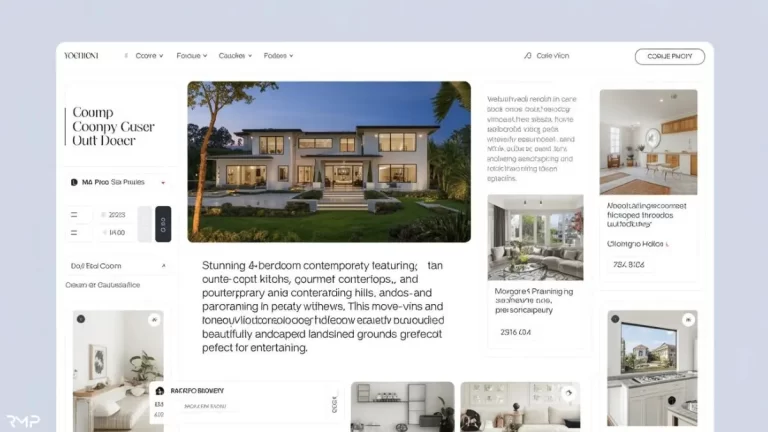
7 Proven Content Marketing Strategies For Real Estate Agents

Content marketing is a powerful way for real estate agents to connect with clients, showcase expertise, and grow their business. It involves creating valuable content, like blog posts, videos, and social media updates, to attract and engage potential clients. This approach builds trust, establishes you as a local expert, and drives leads without needing a large budget.
Here are seven strategies to help you attract and engage your audience effectively.
Strategy 1 – Build a Blog with Evergreen and Local Content
Blogging is a cornerstone of content marketing for real estate agents. It drives organic traffic, builds authority, and helps generate leads over time. Focusing on evergreen topics and local insights helps realtors create a blog that consistently attracts potential clients.

Why Blogging Works for Realtors
A blog boosts your online visibility through search engine optimization (SEO). Well-crafted posts rank for keywords like “real estate blog ideas” or “[City] homebuying tips,” drawing potential clients to your website.
Blogging also builds trust. Sharing valuable insights, such as local market trends, shows you know your area. According to SEMrush, websites with blogs generate 55% more traffic than those without. Additionally, evergreen content stays relevant, providing long-term value with minimal updates.
Best Practices for Real Estate Blogging
Effective blogging requires a clear strategy. Focus on local SEO to capture clients searching for homes in your area. Create posts around neighborhood guides or market updates to rank for location-specific keywords like “[City] real estate.”
Use topic clusters to organize content. For example, a main post on “Buying a Home in [City]” can link to subtopics like financing or home inspections. Optimize posts with:
- Descriptive meta titles and descriptions.
- H1 and H2 headings with keywords.
- Internal links to other pages or posts.
Keep posts concise, around 800-1,200 words, for readability. Include calls-to-action (CTAs), like “Contact us for a home valuation,” to convert readers into leads.
Blog Topic Ideas
Here are actionable topics to attract buyers and sellers:
- “Top 10 Things to Know Before Buying in [City/Neighborhood]” – Covers schools, amenities, and market trends.
- “How to Prepare Your Home for a Quick Sale” – Offers staging and pricing tips.
- “Local Market Trends for [Year]” – Analyzes recent sales data and forecasts.
Tools and Tips
Use tools to streamline your blogging process:
- Keyword Research: Ahrefs or Ubersuggest helps find low-competition keywords like “content plan for real estate agents.”
- Content Calendar: Plan posts with Trello or Google Sheets to maintain consistency, aiming for 1-2 posts monthly.
- SEO Plugins: RankMath or Yoast ensures proper meta tags and readability scores.
Refresh older posts every 6-12 months to maintain rankings. Update statistics, add new images, or adjust keywords based on current trends.
Challenges and Solutions
Blogging can be time-intensive. Many agents struggle to write regularly due to busy schedules. Hiring freelance writers or using AI tools like Jasper for drafts can save time. Set a budget of $50-$100 per post for quality outsourcing.
Another challenge is creating engaging content. Research local pain points, like rising interest rates, to address client needs. For example, a post on “Affordable Neighborhoods in [City]” can attract budget-conscious buyers.
| Challenge | Solution |
| Limited time for writing | Outsource to freelancers or use AI tools for drafts. |
| Low engagement | Focus on local, client-centric topics with strong CTAs. |
| Poor SEO rankings | Use keyword tools and optimize posts with headings and links. |
Strategy 2 – Leverage Video Marketing for Listings and Branding
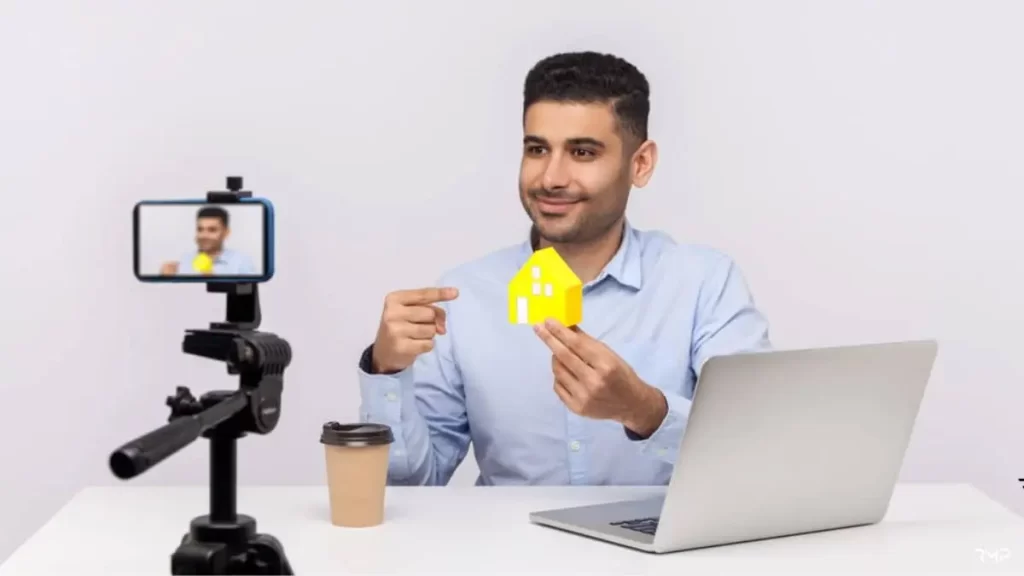
Video marketing captivates audiences and drives engagement for real estate businesses. It showcases properties, builds emotional connections, and strengthens personal branding. Videos are highly shareable, making them ideal for real estate content strategy.
Why Video Marketing Resonates
Videos grab attention faster than text. Buyers and sellers prefer visual tours to explore properties from anywhere. 87% of consumers want more video content from brands.
Videos also spark emotions. A well-crafted property walkthrough or client story builds trust and relatability. They boost engagement on platforms like YouTube and Instagram, where visual content outperforms static posts. Videos drive traffic to your website, increasing leads for real estate agents.
Types of Videos for Realtors
Different video formats serve unique purposes. Here are the key types to include in your real estate content plan:
- Property Walkthroughs and Virtual Tours: Highlight home features like open kitchens or spacious yards.
- Neighborhood Highlight Videos: Showcase local amenities, such as parks, schools, or coffee shops.
- Client Testimonials: Feature happy buyers or sellers to build credibility.
- Agent Backstory Videos: Share your journey to connect with audiences personally.
Each type targets specific client needs, from visualizing a home to trusting your expertise.
Video SEO Best Practices
Optimizing videos ensures they reach the right audience. Use these strategies to rank higher:
- Include keywords like “video marketing for realtors” in titles and descriptions. For example, “Luxury Homes for Sale in [City] – Virtual Tour.”
- Create YouTube Shorts for quick, engaging clips under 60 seconds. These perform well for mobile users.
- Embed videos on blog posts or landing pages to increase dwell time, which boosts SEO.
- Add captions and transcripts to improve accessibility and searchability.
Post videos on YouTube and share them across Instagram, Facebook, and your website for maximum reach.
Tools and Tips
Creating professional videos doesn’t require a big budget. Use these tools and tips:
- Editing Tools: Canva or InVideo offers user-friendly templates for quick edits.
- Equipment: A smartphone with a tripod, like the Joby GorillaPod, ensures steady, high-quality footage.
- Scheduling: Post videos at peak times (e.g., Tuesday or Wednesday mornings) using Buffer or Hootsuite.
Aim for 1-2 videos per week, keeping them short (1-3 minutes) for property tours or 15-60 seconds for Shorts. Test different formats to see what resonates with your audience.
Challenges and Solutions
Producing videos can feel daunting. Common hurdles include high costs and lack of expertise. Start with a smartphone and free editing apps to keep expenses low. A basic setup costs under $50, including a tripod and ring light.
Another challenge is creating engaging content. Focus on storytelling, like a client’s homebuying journey, to connect emotionally. If time is limited, batch-record videos monthly to stay consistent.
| Challenge | Solution |
| High production costs | Use smartphones and free tools like Canva for editing. |
| Lack of video skills | Watch YouTube tutorials or hire a freelancer for $100-$200 per video. |
| Low viewer engagement | Incorporate storytelling and post at optimal times. |
Strategy 3 – Create Engaging Social Media Content
Social media content is a powerful tool for real estate agents to connect with local audiences. It builds personal branding, fosters trust, and drives traffic to listings. Platforms like Instagram, Facebook, and TikTok offer unique ways to engage clients.

Why Social Media is a Game-Changer
Social media reaches buyers and sellers where they spend time online. Sprout Social report found that 68% of consumers follow brands on social platforms before making purchases. For realtors, this means showcasing listings and expertise to local communities.
It also strengthens personal branding. Sharing market tips or community updates positions you as a trusted expert. Social posts drive traffic to your website or listings, increasing lead generation with content marketing. Unlike paid ads, organic social content is cost-effective and scalable.
Platform-Specific Strategies
Each social platform offers unique opportunities for realtors. Tailor content to maximize engagement and reach.
Instagram thrives on visuals, making it ideal for real estate social media content. Use these formats:
- Reels: Share 15-30 second property tours or tips like “5 Ways to Boost Curb Appeal.”
- Stories: Post daily updates, like open house invites or market snapshots, to stay top-of-mind.
- Highlights: Save Stories as evergreen collections, such as “Local Neighborhoods” or “Sold Homes.”
Use hashtags like #RealEstate[City] or #[City]HomesForSale to target local audiences. Post 3-5 times weekly for consistency.
TikTok
TikTok’s short-form videos attract younger buyers. Create engaging content like:
- Before/after home transformation clips to showcase renovations.
- Quick market updates, such as “Why [City] Home Prices Are Rising.”
- Duets with local influencers to expand reach.
Aim for 1-2 videos weekly, using trending sounds and hashtags like #RealEstateTips. Keep videos under 60 seconds for maximum engagement.
Facebook connects with local communities and older demographics. Effective tactics include:
- Posting in local groups, like “[City] Community Hub,” to share listings or market insights.
- Using Marketplace to list properties with clear photos and descriptions.
- Creating carousel posts to showcase multiple listings or neighborhood features.
Engage with comments and messages promptly to build relationships. Post 2-4 times weekly.
Tools and Tips
Streamline your social media efforts with these tools:
- Scheduling: Buffer or Later automates posting at peak times, like Tuesday mornings or Thursday evenings.
- Design: Canva creates eye-catching graphics for posts, such as infographics or listing flyers.
- Analytics: Use platform insights to track engagement and adjust content.
Repurpose content across platforms to save time. For example, turn a blog post into an Instagram carousel or a TikTok video. Monitor trends to stay relevant, like using seasonal themes for holiday-themed posts.
Challenges and Solutions
Keeping up with platform trends can be tough for busy agents. Follow real estate influencers on each platform to learn what works. For example, study how top realtors use Reels or TikTok challenges to engage audiences.
Another challenge is low engagement. Test different post types, like polls or behind-the-scenes content, to find what resonates. If time is limited, batch-create posts monthly to maintain consistency.
| Challenge | Solution |
| Staying current with trends | Follow real estate influencers and adapt their strategies. |
| Low post engagement | Experiment with polls, videos, or local content to boost interaction. |
| Time constraints | Batch-create and schedule posts using tools like Later. |
Strategy 4 – Develop Lead Magnets to Capture Leads
Lead magnets are essential for content marketing for real estate agents. They attract potential clients by offering free, valuable resources in exchange for contact information. This strategy builds email lists and nurtures leads over time.
Why Lead Magnets Work
Lead magnets draw in prospects by addressing their needs. Homebuyers and sellers seek useful tools, like guides or reports, to make informed decisions. In our experience, lead magnets can increase email sign-ups by 50% when optimized correctly.
They also establish trust. Offering a free resource, such as a homebuying checklist, positions you as a helpful expert. Lead magnets feed into email campaigns, keeping you top of mind with clients. This approach drives lead generation with content marketing at a low cost.
Types of Lead Magnets
Effective lead magnets address specific client pain points. Here are proven options for realtors:
- Homebuyer Guides: Cover steps like securing a mortgage or choosing a neighborhood.
- Seller Checklists: List tasks for staging or pricing a home for sale.
- Market Reports: Provide data on local home prices or trends in [City].
- Mortgage Calculators: Help buyers estimate monthly payments.
- Home Valuation Tools: Offer instant estimates to attract sellers.
These resources appeal to buyers, sellers, or investors, making them versatile for real estate email content ideas.
Best Practices
Maximize lead magnet success with these strategies:
- Host lead magnets on dedicated landing pages with clear calls-to-action, like “Download Your Free Guide.”
- Promote them via social media, blog posts, and email signatures to increase visibility.
- Integrate with CRM systems, such as Follow Up Boss or HubSpot, to track leads and automate follow-ups.
- Keep forms simple, asking only for name and email to boost conversions.
Optimize landing pages for mobile users, as 60% of real estate searches occur on smartphones. Include trust signals, like client testimonials, to encourage sign-ups.
Tools and Tips
Streamline lead magnet creation with these tools:
- Design: Canva offers templates for eBooks, checklists, or infographics.
- Landing Pages: Leadpages or kvCORE builds user-friendly forms and pages.
- Analytics: Google Analytics 4 tracks downloads and conversion rates.
Create one lead magnet per quarter to maintain a fresh pipeline. Test different formats, like PDFs versus interactive tools, to see what performs best. Promote lead magnets consistently across platforms for maximum reach.
Challenges and Solutions
Low conversion rates can hinder lead magnet success. A/B test headlines and CTAs, such as “Get Your Free Report” versus “Download Now,” to improve results. Ensure landing pages load quickly, as slow sites deter 70% of mobile users.
Another challenge is creating valuable content. Survey past clients to identify their needs, like financing tips or local market insights. If time is limited, outsource design to freelancers for $50-$150 per project.
| Challenge | Solution |
| Low conversion rates | A/B test headlines, CTAs, and optimize for mobile. |
| Lack of compelling content | Survey clients for pain points; focus on local needs. |
| Time constraints | Outsource to freelancers or use templates in Canva. |
Strategy 5 – Use Email Marketing to Nurture Leads
Email marketing is a vital part of content marketing for real estate agents. It keeps you connected with prospects, guiding them through the buyer or seller journey. With high returns on investment, email campaigns nurture leads effectively.
Why Email Marketing is Effective
Email marketing keeps agents top-of-mind with potential clients. It delivers personalized content directly to inboxes, fostering trust over time. According to Campaign Monitor, email marketing generates $42 for every $1 spent, making it cost-effective for realtors.
Emails nurture leads through the sales funnel, from initial interest to closing. They also allow segmentation, ensuring buyers, sellers, or investors receive relevant messages. This targeted approach boosts engagement and drives conversions for real estate content strategies.
Email Content Ideas
Craft emails that resonate with your audience. Here are proven ideas for real estate email content:
- Monthly Market Updates: Share local home price trends or inventory data for [City].
- Drip Campaigns: Send a series of emails to buyers (e.g., “Steps to Homeownership”) or sellers (e.g., “Preparing Your Home for Sale”).
- Open House Invites: Personalize invitations with property details and RSVP links.
- FSBO Outreach: Offer tips to for-sale-by-owner sellers, like pricing strategies.
These ideas address client needs, keeping your emails relevant and actionable.
Best Practices
Maximize email performance with these strategies:
- Optimize subject lines for open rates, such as “Your [City] Market Update for May 2025.”
- Segment lists by client type (e.g., first-time buyers, luxury sellers) or location.
- Include clear calls-to-action, like “View New Listings” or “Schedule a Consultation.”
- Keep emails concise, under 200 words, with a single focus per message.
Use mobile-friendly templates, as 65% of emails are opened on smartphones. Test emails before sending to ensure links and images work properly.
Tools and Tips
Simplify email marketing with these tools:
- Platforms: Mailchimp or Constant Contact offers automation and templates.
- CRM Integration: Connect emails to Follow Up Boss or HubSpot for lead tracking.
- Analytics: Google Analytics 4 monitors open rates and click-through rates.
Send 1-2 emails weekly to avoid overwhelming subscribers. Personalize emails with the recipient’s name or location to increase engagement. Create a content plan for real estate agents, scheduling emails alongside blog posts and social media.
Challenges and Solutions
Emails landing in spam folders can reduce effectiveness. Use double opt-in to confirm subscribers and clean lists every 6 months to remove inactive contacts. This improves deliverability rates.
Low open rates are another hurdle. Test subject lines, like “New Homes in [City]” versus “Explore [City] Listings,” to find what works. If time is limited, use pre-designed templates or outsource to freelancers for $30-$100 per campaign.
| Challenge | Solution |
| Emails in spam | Use double opt-in and clean lists regularly. |
| Low open rates | A/B test subject lines and personalize content. |
| Time constraints | Use templates or outsource campaign creation. |
Strategy 6 – Optimize for Local SEO with Neighborhood Content
Local SEO is critical for content marketing for real estate agents. Most homebuyers and sellers search for location-specific terms, like “[City] homes for sale.” Neighborhood-focused content boosts visibility in search results and attracts local leads.

Why Local SEO Matters
Local SEO connects agents with clients in their service areas. Google’s Map Pack, which highlights local businesses, drives 44% of clicks for location-based searches, according to a 2024 Moz study. Ranking here increases visibility for realtors.
Optimized content also improves website traffic. Pages targeting local keywords, such as “[Neighborhood] real estate,” attract motivated buyers and sellers. Local SEO strengthens your real estate content strategy by positioning you as the go-to expert in your area.
How to Create Neighborhood Content
Neighborhood content addresses client needs with hyper-local insights. Create dedicated pages for each neighborhood or service area you cover. Include details like:
- Local amenities, such as schools, parks, or restaurants.
- Recent home sales data or market trends for [City/Neighborhood].
- Client testimonials from residents in the area.
Use keywords like “[City] homes for sale” or “[Neighborhood] real estate” naturally in headings and text. For example, a page titled “Guide to Living in [Neighborhood]” can rank for local searches while providing value to prospects.
Technical SEO Tips
Boost local rankings with these technical strategies:
- Add schema markup for local businesses to help Google understand your content.
- Optimize your Google Business Profile with up-to-date photos, hours, and client reviews.
- Ensure NAP (Name, Address, Phone) consistency across your website, Google, and directories like Yelp.
- Create a sitemap and submit it to Google Search Console for better crawling.
Regularly update neighborhood pages with fresh data, like new market stats, to maintain relevance. This keeps your content competitive in local search results.
Tools and Tips
Use these tools to enhance your local SEO efforts:
- Keyword Research: SEMrush identifies local keywords, like “content marketing tips for realtors” or “[City] real estate.”
- Rank Tracking: Google Search Console monitors how your pages perform for local terms.
- Citations: Moz Local ensures NAP consistency across directories.
Aim to create one neighborhood page per month, focusing on high-demand areas. Promote these pages on social media and link them internally to boost SEO. Monitor reviews on Google Business Profile to build trust and improve rankings.
Challenges and Solutions
Competing with larger firms for local SEO can be tough. Focus on hyper-local keywords, like “[Neighborhood] condos,” to target niche audiences. Smaller firms can outrank bigger competitors by creating detailed, client-focused content.
Another challenge is maintaining fresh content. Update pages every 6-12 months with new market data or photos. If time is limited, hire a freelance SEO specialist for $50-$150 per page to optimize content.
| Challenge | Solution |
| Competing with larger firms | Target hyper-local keywords and create in-depth content. |
| Outdated content | Refresh pages with new data every 6-12 months. |
| Time constraints | Outsource to freelancers or use templates for efficiency. |
Strategy 7 – Tell Stories to Build Emotional Connections
Real estate storytelling creates emotional bonds with clients, setting agents apart in a competitive market. Stories make your brand memorable and relatable, enhancing content marketing for real estate agents.
Why Storytelling Works
Stories resonate deeply with audiences. They evoke emotions, making clients feel connected to you and your services. According to Harvard Business Review, emotional content drives 31% more engagement than informational content alone.
Storytelling differentiates you from other realtors. Sharing client journeys or community involvement builds trust and loyalty. It also makes your brand memorable, encouraging clients to choose you over competitors in a crowded real estate market.
Storytelling Ideas
Effective stories align with client needs and your brand. Here are actionable ideas for realtor branding content:
- Client Success Stories: Highlight a first-time buyer’s journey to homeownership or a seller’s successful sale.
- Personal or Team Backstory: Share your path to becoming a realtor on your website’s About page.
- Community-Focused Content: Showcase involvement in local events, like charity drives or neighborhood festivals.
These stories connect emotionally, whether through a buyer’s excitement or a community’s vibrancy, making your content compelling.
Best Practices
Maximize storytelling impact with these strategies:
- Use multiple formats, such as blog posts, videos, or social media captions, to share stories.
- Incorporate visuals, like before/after home photos or infographics, to enhance engagement.
- Tie stories to clear calls-to-action, such as “Ready to start your homebuying story? Contact us today.”
- Keep stories concise, under 500 words for blogs or 60 seconds for videos, to maintain attention.
Share stories consistently, aiming for one per month, to build a narrative-driven real estate content strategy.
Tools and Tips
Simplify storytelling with these tools:
- Design: Canva creates visuals, like infographics or social media graphics, to complement stories.
- Video Editing: InVideo helps craft short, engaging story videos for platforms like Instagram.
- Storage: Save stories in Instagram Highlights under categories like “Client Stories” or “Community.”
Repurpose stories across platforms. For example, turn a blog post about a client’s success into a Reel or LinkedIn post. Engage local audiences by featuring neighborhood-specific stories, like a family’s move to [City].
Challenges and Solutions
Finding compelling stories can be difficult. Interview past clients to uncover unique experiences, such as overcoming bidding wars. If clients are hesitant, offer anonymity or focus on general themes, like first-time homebuying challenges.
Time constraints are another hurdle. Batch-create stories quarterly to save time. If resources are limited, hire a freelance writer for $50-$100 per story to craft polished narratives.
| Challenge | Solution |
| Finding unique stories | Interview clients or focus on common real estate experiences. |
| Limited time | Batch-create stories or outsource to freelancers. |
| Low engagement | Use visuals and post on high-traffic platforms like Instagram. |
Recommended: 10 Lead Generation Strategies for Real Estate Pros
How to Get Started with Your Real Estate Content Strategy
Launching a real estate content strategy transforms how agents connect with clients. It drives leads, builds authority, and grows your online presence. For real estate agents, a structured plan ensures content marketing delivers results.

Building a Content Plan
A solid content plan keeps your efforts organized and consistent. Start by creating a 90-day content calendar to map out your real estate content strategy. Focus on high-impact content, such as neighborhood guides, property videos, and lead magnets.
Include a mix of formats: one blog post, two social media posts, and one video per week. Prioritize topics like “[City] homebuying tips” or “local market trends” to attract local clients. Tools like Trello or Asana help schedule tasks, ensuring you post regularly without feeling overwhelmed. Plan content around peak seasons, like spring homebuying, to align with client needs.
Measuring Success
Tracking performance shows what works and what needs improvement. Use Google Analytics 4 to monitor website traffic and keyword rankings for terms like “content marketing for real estate agents.” Check how many visitors come from blog posts or social media.
Measure lead conversions from forms, email sign-ups, or landing pages. Tools like Hotjar reveal user behavior through heatmaps, showing where clients click or drop off. Aim for a 2-3% conversion rate on lead magnets, adjusting CTAs if rates are lower. Review metrics monthly to refine your strategy and boost engagement.
Scaling Your Efforts
As your content gains traction, scale it for bigger impact. Outsource time-consuming tasks, like blog writing or video editing, to freelancers for $50-$200 per piece. This frees you to focus on client interactions.
Amplify top-performing content with paid ads on platforms like Facebook or Google. Allocate $100-$300 monthly to boost posts targeting local audiences. Refresh evergreen content, such as homebuying guides, every 12 months to keep it relevant. Add new data or images to maintain rankings. Scaling ensures your real estate content strategy grows with your business.
Conclusion
Content marketing for real estate agents transforms how you attract and engage clients. The seven strategies—blogging, video marketing, social media, lead magnets, email campaigns, local SEO, and storytelling—build trust, drive leads, and establish authority. Consistent effort and tracking metrics, like website traffic or conversion rates, ensure long-term success.
Start small with a 90-day content plan and scale as results grow. Contact us for a marketing consultation and spread this post to help other realtors succeed.